 ×
×

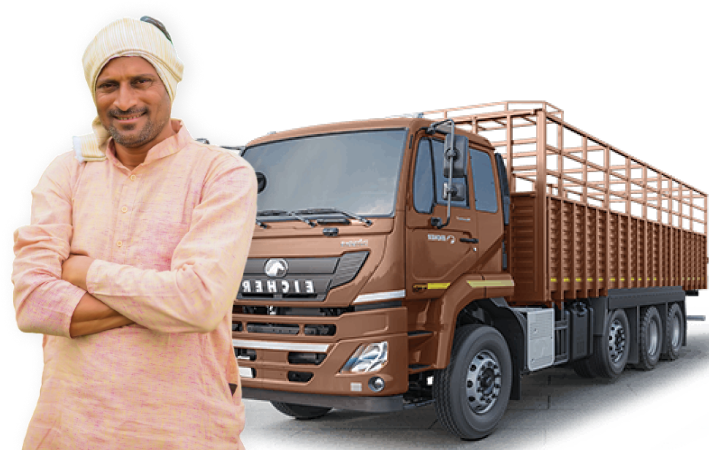
A truck is sitting idle at the yard. A consignment is ready. The client has called twice. The previous driver left without much notice, and now the fleet owner needs someone behind the wheel by morning.
Hiring decisions in trucking often happen this way, under time pressure and through whatever contact is available in the moment. A name comes through the network, a quick call is made, and the driver is onboarded with little else checked. The trip happens, and sometimes there are no problems. Other times, a rushed hiring decision creates operational issues that continue long after the truck leaves the yard.
Proper driver verification does add a step to the process. But skipping it tends to cost more, in time, money, and client relationships, than the extra hour it takes to do it right.
A valid driving licence is the starting point, not the finish line. Licence class, vehicle endorsements, and expiry date all need to be confirmed before a driver is assigned to any trip. Many drivers carry licences that are expired or categorised for smaller vehicles than what they are being asked to operate.
Work history gives a clearer picture of what a driver can actually handle. How long did he stay with past employers? Were there incidents on record? Do his stated years of experience hold up when you look at the vehicle types he has actually driven?
Identity confirmation is a basic step that many fleet owners skip under pressure. Cargo worth lakhs changes hands on the basis of trust, and a straightforward identity check is a reasonable part of the process. Speaking to a past employer, even briefly, can surface patterns that a phone interview would never reveal.
Each of these checks has a direct bearing on daily operations. Expired papers mean a detention at the next state checkpost, and the consignment sits until the paperwork issue gets sorted. Rough cargo handling on a poorly loaded truck shows up as damage claims at the destination. Problems like these are not hypothetical; they are regular occurrences for fleet owners who hire without a structured process.
Consider a refrigerated cargo run where the driver hired has experience only with general freight trucks. Refrigeration unit settings need specific handling, and a driver who has only run dry freight may not know this until something goes wrong mid-route. By the time the truck reaches the destination, part of the cargo is spoiled, and the transporter carries the liability.
Checking the driver's prior vehicle experience before departure would have flagged the mismatch. That check takes minutes.
Absenteeism is another pattern that tends to go undetected without a hiring process. A driver who has moved between multiple employers in a short period, without those movements being tracked anywhere, may have a history of disappearing mid-trip or citing personal reasons to delay a consignment. The next fleet owner who hires him without checking his background absorbs that disruption without warning.
Past incidents follow a similar pattern. A driver with prior accidents who moves from one operator to another without records being shared represents a liability that the hiring fleet owner takes on unknowingly. Insurance claims, third-party damage, and vehicle recovery costs all follow from that single unverified hire.
On the client side, repeated delivery failures, whether from late arrivals, damaged cargo, or incomplete trips, erode the trust a fleet owner has built. Clients begin routing consignments to other operators, and rebuilding that relationship takes considerably longer than losing it.
Knowing a driver's licence status, vehicle experience, and employment history before assigning a trip reduces the uncertainty in daily operations. A fleet owner who has this information can match drivers to routes and cargo types with more confidence, and fewer last-minute adjustments.
Fleets with a verified driver pool tend to see less unplanned vehicle downtime. A driver who has gone through a proper onboarding process tends to treat the vehicle and the cargo with more care. Minor issues get flagged before they turn into breakdowns, and cargo gets handled the way the client actually expects. Problems get caught before they become costly.
The relationship between fleet owners and drivers also tends to be more stable when hiring is structured. Experienced drivers pay attention to how an operation is run. A fleet that takes onboarding seriously signals that it is organised and consistent, and that tends to attract drivers who are similarly reliable and more likely to stay.
Over time, this stability feeds into trip consistency. Deliveries happen on schedule, cargo arrives in the right condition, and the fleet develops a track record that clients can rely on. Lower driver churn reduces the cost and disruption of frequent recruitment, which itself takes a toll on smaller operations.
Driver hiring in Indian trucking has largely run on personal networks. A transporter contacts a broker or a yard contact, gets a name, and makes a hiring decision on the basis of a verbal recommendation. For many operators, this has been the only practical option available.
Digital platforms are changing the picture gradually. Structured driver profiles covering licence details, vehicle type experience, and past employment records mean that a fleet owner can review relevant information before making contact. The screening process does not disappear; it becomes faster and better informed.
The shift is uneven across the industry. Smaller operators still rely heavily on informal channels, partly from habit and partly because formal verification once required time and effort that felt out of reach. As digital tools reduce both barriers, more fleet owners are beginning to see the value of having structured driver records on hand before a vacancy opens, rather than scrambling to verify information under pressure.
TruckMitr is a platform that connects fleet owners and transporters with drivers who carry structured profiles, covering licence details, vehicle type experience, and work history. For a fleet owner used to hiring through word-of-mouth, this means having usable information to review before a conversation even starts.
The platform covers a range of vehicle types across locations in India, from mini trucks to heavy commercial vehicles. Searching by vehicle type and location brings up drivers whose profiles already contain the basic information that verification requires.
The hiring process still involves judgment and direct contact. TruckMitr provides the information layer that informal hiring has always lacked, so fleet owners spend less time chasing background details and more time making an informed decision.
Trucks can be well maintained. Routes can be planned carefully. GPS systems and fleet management software give operators visibility across the entire operation. All of it, though, depends on the person behind the wheel.
A structured hiring process, built around verification, creates the conditions for a fleet that runs with fewer disruptions over time. Transporters who treat driver hiring as a process rather than a reaction tend to build operations that are more stable, more reliable, and better positioned for the demands the Indian trucking industry continues to place on them.

Elevating The Indian Trucking Ecosystem
Read More
How To Collaborate With Us And A List Of All Services We Cater To
Read More
Driving India Forward How Truck Drivers Power the Economy
Read More
From Rugged Beginnings to Digital Frontiers The Tata Motors Legacy in Indian Trucking
Read More
On-the-Go Repairs and Mobile Truck Maintenance Services in India
Read More
Safer Roads Ahead The Transformation of India’s Trucking Industry
Read More
The Future of Truck Driving A Road to Opportunity
Read More
How Electric Trucks Can Power Up Your Business A Look at the Benefits
Read More
Top 10 Health Tips for Long-Haul Truck Drivers
Read More
Tata Motors Gears Up for Digital Transformation with Fleet Verse
Read More
Tata Motors Reports Strong Sales Performance in May 2024
Read More
The Importance of Mental Health for Truck Drivers A Critical Look
Read More
The Rising Role of Women in Truck Driving in India
Read More
Emergency Preparedness for Truck Drivers
Read More
Adapting to Changing Weather Patterns: Challenges for Indian Trucking
Read More
Revolutionizing Trucking with Blockchain
Read More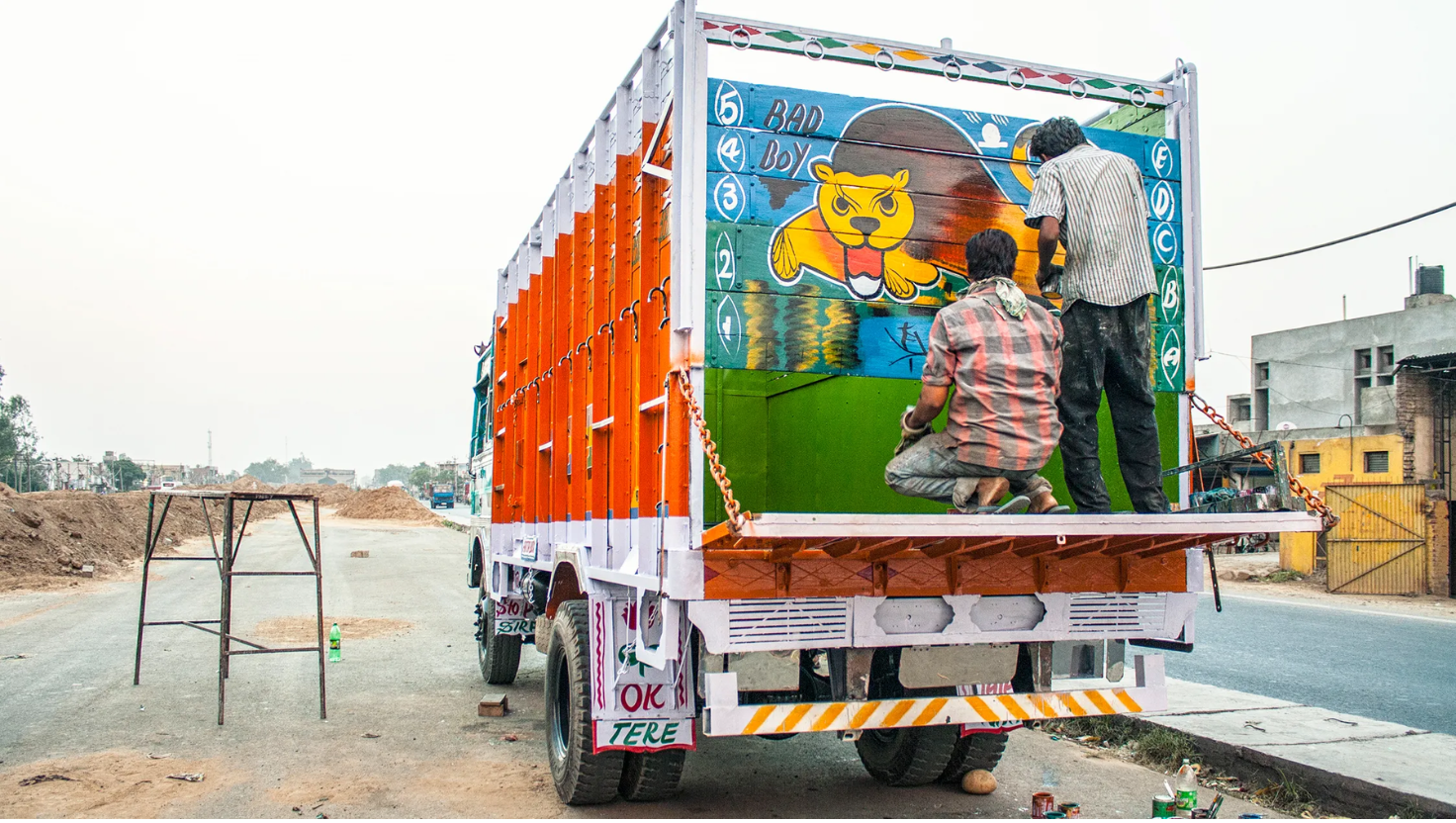
Truck Customisation Trends: Merging Functionality with Personal Style
Read More
Celebrating Festivals on the Road: How Truckers Stay Connected to Home
Read More
Rural Empowerment Through Better Trucking Networks
Read More
Health on the Go: Wellness Solutions for Long-Haul Drivers
Read More
How Trucking Keeps India’s Small Businesses Moving Forward
Read More
The Influence of Bollywood on Indian Trucking Culture
Read More
Youth and Trucking: Inspiring the Next Generation of Drivers
Read More
Innovative Truck Financing Options: Making Ownership Accessible
Read More
The Role of AI in Streamlining Fleet Management
Read More
Trucking Beyond Cargo: Supporting Disaster Relief and Humanitarian Efforts
Read More
Life on the Highways: Stories of Resilience from Indian Truck Drivers
Read More
10 Summer Maintenance Tips to Keep Your Truck Running Smoothly
Read More
The Importance of Regular Tyre Checks for Safety and Fuel Efficiency
Read More
Common Truck Breakdowns and How to Prevent Them
Read More
Understanding Truck Warning Lights: What They Mean
Read More
Future of Trucking in India: Trends to Watch in 2025 & Beyond
Read More
How to Prepare Your Truck for the Monsoon Season?
Read More
GST Reforms 2025
Read More
10 Smart Fuel-Saving Tips for Everyday Trucking
Read More
Why Preventive Maintenance Saves Money
Read More
Driving Tips for Highway Safety
Read More
Common Truck Maintenance Mistakes
Read More
Importance Of Good Sleep
Read More
LNG Trucks and LNG Stations in India
Read More
Driving a Greener Future
Read More
Future Projections of Driving Training Schools in India’s Growing Trucking Industry
Read More
Impact of AI on the Trucking Industry
Read More
India’s Growing Truck Driver Shortage
Read More
Practical Tips to Maintain Comfort Inside the Truck Cabin
Read More
Managing Stress During Traffic and Route Delays
Read More
Typical End-of-Day Practices After Completing a Driving Shift
Read More
Common Causes of Tiredness During Long Driving Hours
Read More
A New Chapter in India’s Transport and Logistics Story
Read More
Impact of AI on Career Growth of Truck Drivers
Read More
Early Signs of Fatigue Drivers Commonly Experience on the Road
Read More
Common Learnings for First-Time Truck Owners
Read More
Why Verified Truck Driver Hiring is Important for Fleet Owners
Read More
The Future of Digital Trucking Ecosystems in India
Read More
Essential Skills Every Modern Truck Driver Should Learn
Read More
Top Reasons Transporters Should Digitize Driver Recruitment
Read More
How Digital Platforms are Reducing Dependence on Trucking Brokers
Read More
How to Hire Reliable Truck Drivers for Your Fleet
Read More
Why India Needs a Unified Trucking Ecosystem Platform
Read More
How to Build Trust Between Transporters and Truck Drivers
Read More
How Driver Lifecycle Management Reduces Operational Burden for Fleet Companies
Read More
Why Corporate Fleets Need Managed Driver Staffing Solutions
Read More