 ×
×

For decades, moving freight across India meant phone calls, handshakes, and a lot of waiting. A transporter in Ludhiana needing a truck to Hyderabad would call a broker, who'd call another broker, who'd eventually reach a driver through a network of word-of-mouth contacts. The whole thing ran on trust built over years, paper receipts, and deals struck over chai.
That system worked, more or less. But it was slow, expensive, and heavily dependent on who you knew.
Things are shifting now, and the change is real. Smartphone penetration has reached corners of the country that weren't connected five years ago. E-commerce and quick commerce have pushed logistics companies to demand faster, more reliable coordination. Fuel prices and toll costs have squeezed margins thin enough that transporters can't afford to run trucks empty or spend hours chasing down drivers. The old way of doing things simply costs too much.
India's trucking industry moves roughly 70% of the country's freight. At that volume, shaving even a few hours off a single coordination problem across thousands of trips changes real money. Digital tools are finding their way into that gap. Slowly, unevenly, but they are.
A few years ago, going digital in trucking meant downloading an app to track a shipment or post a load on an online board. Those tools helped, but they worked in isolation. You'd use one app to find a driver, another to track the truck, a spreadsheet to manage documents, and still rely on phone calls for everything in between.
The next phase looks different. It's about platforms where all of these pieces connect, where a fleet owner can manage driver profiles, verify credentials, assign trips, track routes, and communicate, all without jumping between tools or chasing people on WhatsApp.
Think about what that means for a mid-sized transporter running 20 trucks. Today, hiring a new driver might take a week of phone calls, informal references, and paperwork that may or may not be accurate. In a connected ecosystem, verified driver profiles can show experience, license details, and past employer information in one place. You can search, shortlist, and start the onboarding process the same day.
The same logic applies to route coordination, document management, and even connecting with logistics companies that need capacity. When these services work together instead of separately, the whole operation gets faster and less prone to error. That's what a real trucking ecosystem looks like, and that's the direction the industry is headed.
It's easy to talk about digital trucking from the transporter's side, but the real bottleneck in Indian logistics has always been drivers. There are roughly 9 million truck drivers in India, and the industry is estimated to be short several million more. Hiring is chaotic, retention is poor, and the entire relationship between drivers and employers is built on informal, often unreliable networks.
A driver looking for work today usually depends on a local agent or a contact from a previous job. That agent may take a cut, give incomplete information about the role, or simply not have options that match what the driver is looking for. And when a transporter needs to replace a driver last minute before a long haul, that scramble through informal contacts can delay departure by half a day. There's no standard way for a driver to present his experience or for a transporter to verify it.
Digital platforms that put the driver at the center can change this. When a driver has a verified digital profile, showing his license category, years on the road, and the kind of loads he's handled, he becomes easier to hire and easier to trust. Transporters waste less time on background checks. Drivers get connected to legitimate, fairly described jobs without paying an agent for the privilege.
Beyond hiring, there's skill development. Platforms that offer training resources, safety guidance, or certifications can raise the overall quality of the driver pool over time. A driver who can show a record of training and safe conduct has a real edge in the job market.
The dependency on middlemen doesn't disappear overnight. But every driver who builds a verified digital identity is one less driver who needs to rely on one.
One of the most persistent problems in Indian trucking is unreliable information. A transporter hires a driver based on what he says about himself. A logistics company books a truck based on what the transporter claims about availability. Somewhere along the chain, reality and expectation diverge, and someone absorbs the cost.
Verified data fixes a lot of this. When driver credentials are cross-checked against actual license databases, when past employment is confirmed rather than self-reported, and when a driver's track record is visible to future employers, the quality of hiring decisions improves on both sides.
Real-time connectivity adds another layer. Knowing where a truck actually is, rather than relying on a driver's WhatsApp update, lets logistics managers plan better. It reduces idle time between trips. It lets transporters offer more reliable ETAs to clients, which matters a lot when those clients are running warehouses or retail supply chains on tight schedules.
The industry also loses a significant amount of money to truck downtime. A truck sitting idle at a loading point or waiting for a return load is a truck not earning. Better matching platforms, ones that connect available trucks with loads going in the right direction, can cut that idle time and improve the economics for small fleet owners who can't absorb those losses the way large operators can.
None of this requires cutting-edge technology. It requires consistent, structured data and the discipline to maintain it, which is exactly what digital ecosystems make possible.
Indian trucking has spent decades being treated as a necessary cost rather than something worth investing in. That's slowly changing, and digital platforms are a big part of why.
Small transporters running two or three trucks currently compete in a market where large players have advantages in relationships, credit access, and pricing power. A well-designed digital ecosystem can level that playing field. If a small operator has the same access to verified drivers, load matching, and client connections as a large fleet, the competition shifts to who runs better operations rather than who has the bigger network.
Driver welfare is part of this picture too. Transparent hiring practices, fair pay structures, and access to support services have a direct impact on safety and retention. A driver who feels treated fairly, who has clear terms on a job and a way to raise issues, is more likely to stay. Better retention means fewer accidents linked to drivers new to a route or a truck they've barely operated.
Sustainability matters here too, but the case for it is simpler than policy documents make it sound. When trucks spend less time running empty or waiting at loading points for a return load that hasn't been arranged yet, operators save fuel and cut costs at the same time. Smarter route coordination and better load matching are the same thing as lower emissions, just described from a different angle.
How TruckMitr Fits Into This Picture
TruckMitr is building toward this kind of connected ecosystem for the Indian trucking industry. On the hiring side, transporters and logistics companies can look up driver profiles where credentials and past experience have already been verified, so they're not just going on a reference from someone who knows someone.
Drivers get a profile that stays with them as they move between jobs, building a record that makes future hiring faster and more straightforward. That also means less dependence on brokers, since the connection between driver and transporter happens on the platform rather than through a middleman taking a cut. TMConnect, TruckMitr's support layer, provides hands-on help for those navigating the platform for the first time, which matters in an industry where many users are new to digital tools.
The broader goal is straightforward: build enough trust and transparency into the hiring and coordination process that both drivers and transporters can operate with more confidence. That's not a flashy pitch, but it's what the industry actually needs.
India's trucking industry will look different in 2035 than it does today. Not because of any single technology, but because the cumulative effect of better data, more connected platforms, and more professional hiring practices will build up over time.
Digital platforms won't replace the people who keep this industry moving. The transporter who knows every highway between Delhi and Mumbai, the driver who can navigate a narrow market lane in Surat with a 40-footer, the operations manager keeping a fleet moving through a monsoon, all of them stay essential. What changes is that they get better tools, better information, and fewer hours lost to problems that didn't need to happen.
The industry won't become digital overnight. But the transporters and drivers already adapting to connected platforms today will likely have a real advantage over the next few years. That gap will only grow wider.
Elevating The Indian Trucking Ecosystem
Read More
How To Collaborate With Us And A List Of All Services We Cater To
Read More
Driving India Forward How Truck Drivers Power the Economy
Read More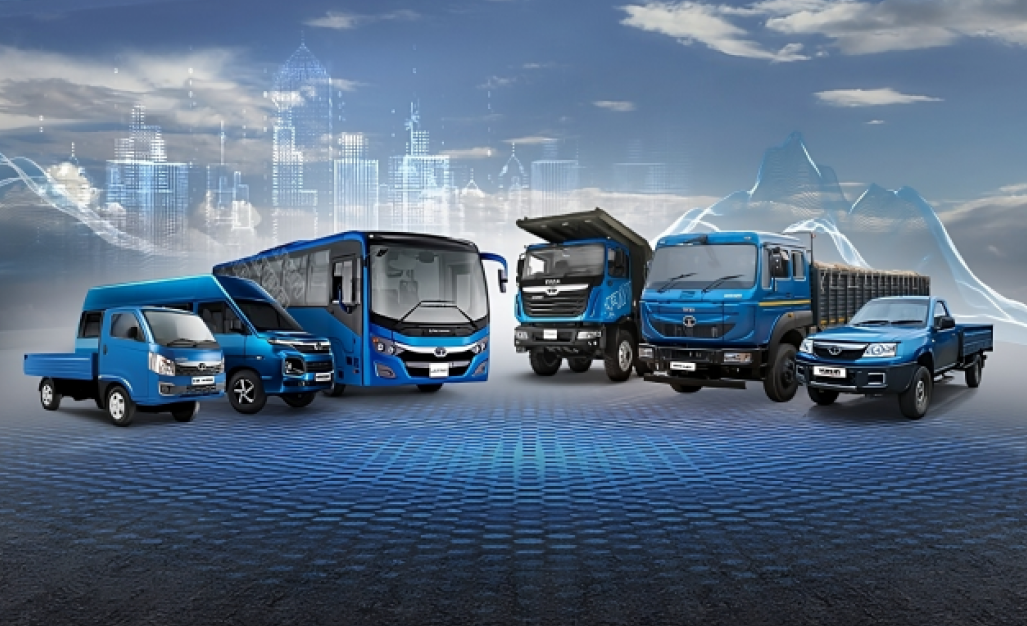
From Rugged Beginnings to Digital Frontiers The Tata Motors Legacy in Indian Trucking
Read More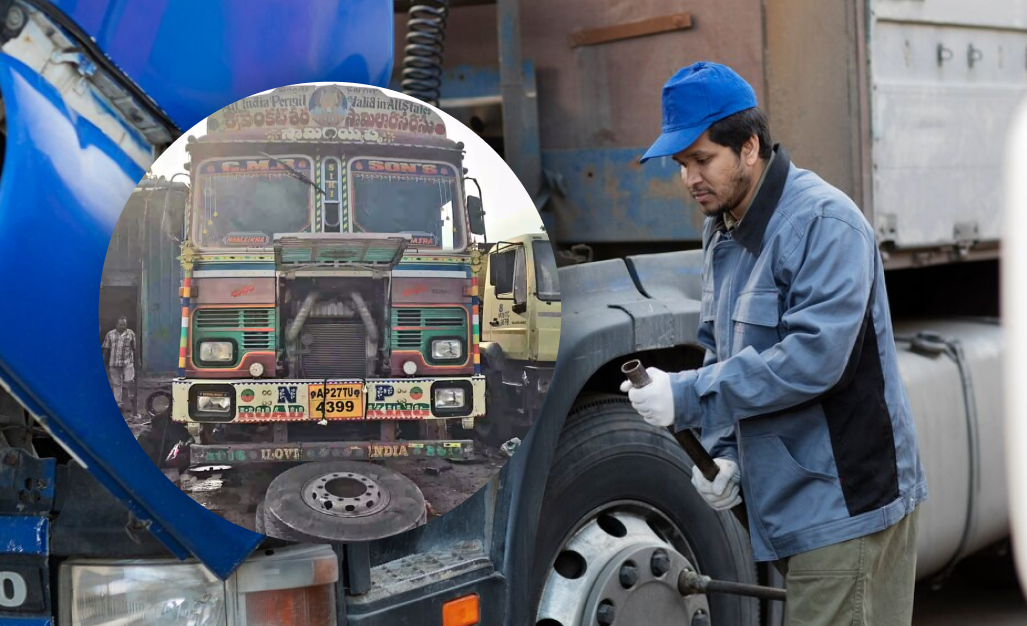
On-the-Go Repairs and Mobile Truck Maintenance Services in India
Read More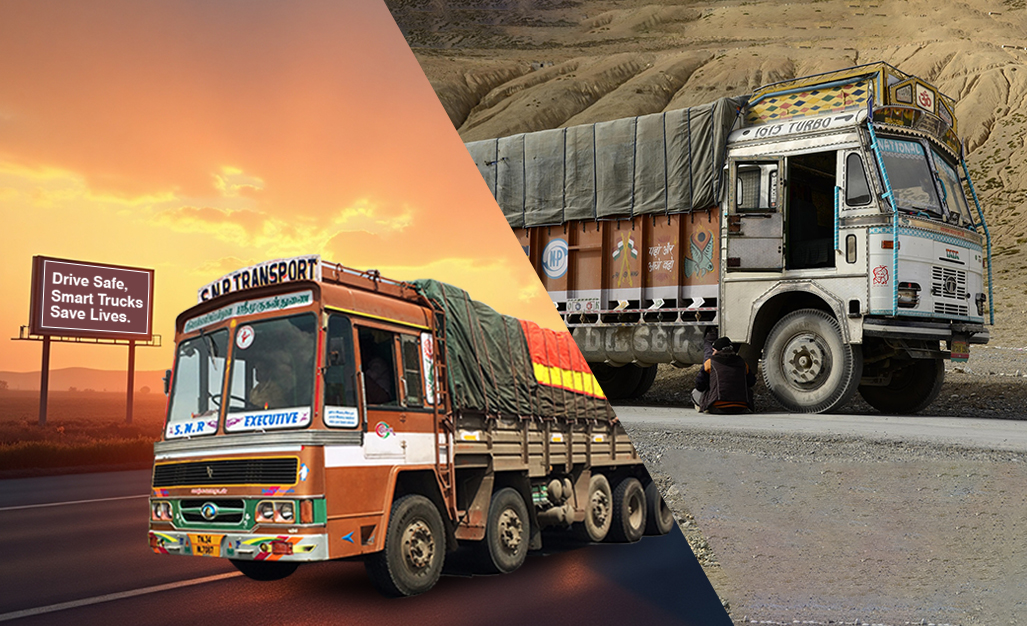
Safer Roads Ahead The Transformation of India’s Trucking Industry
Read More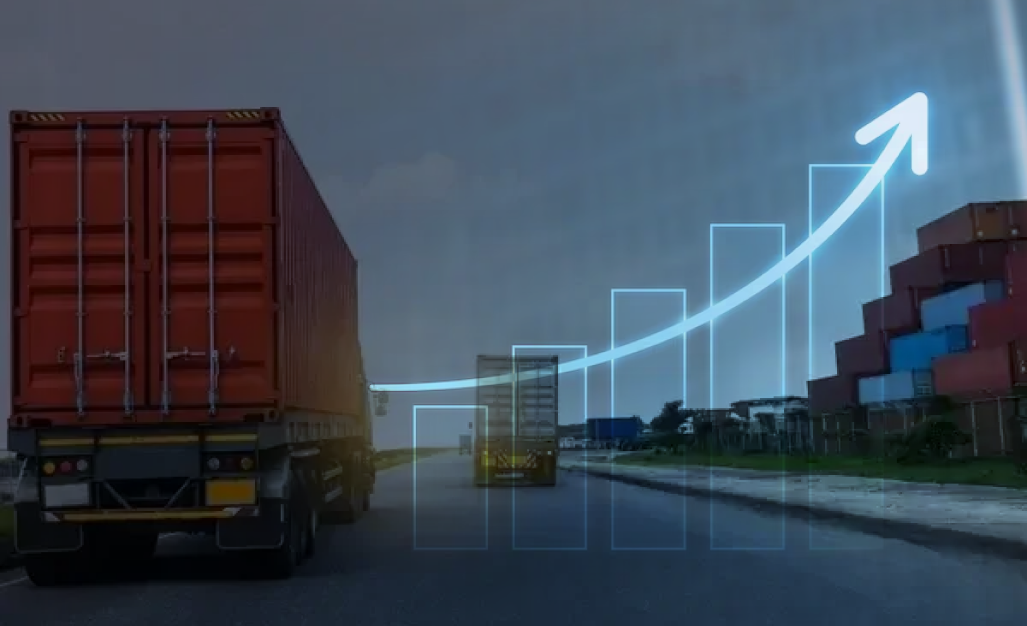
The Future of Truck Driving A Road to Opportunity
Read More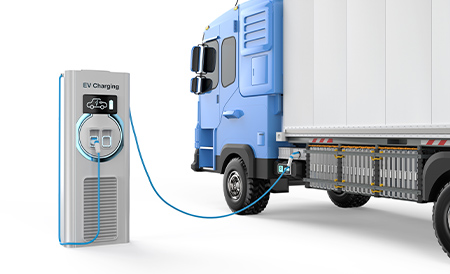
How Electric Trucks Can Power Up Your Business A Look at the Benefits
Read More
Top 10 Health Tips for Long-Haul Truck Drivers
Read More
Tata Motors Gears Up for Digital Transformation with Fleet Verse
Read More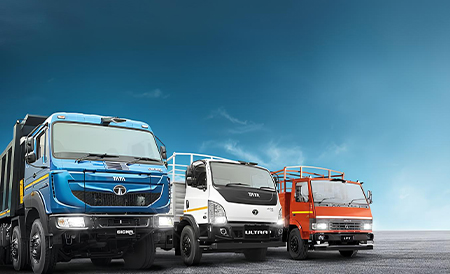
Tata Motors Reports Strong Sales Performance in May 2024
Read More
The Importance of Mental Health for Truck Drivers A Critical Look
Read More
The Rising Role of Women in Truck Driving in India
Read More
Emergency Preparedness for Truck Drivers
Read More
Adapting to Changing Weather Patterns: Challenges for Indian Trucking
Read More
Revolutionizing Trucking with Blockchain
Read More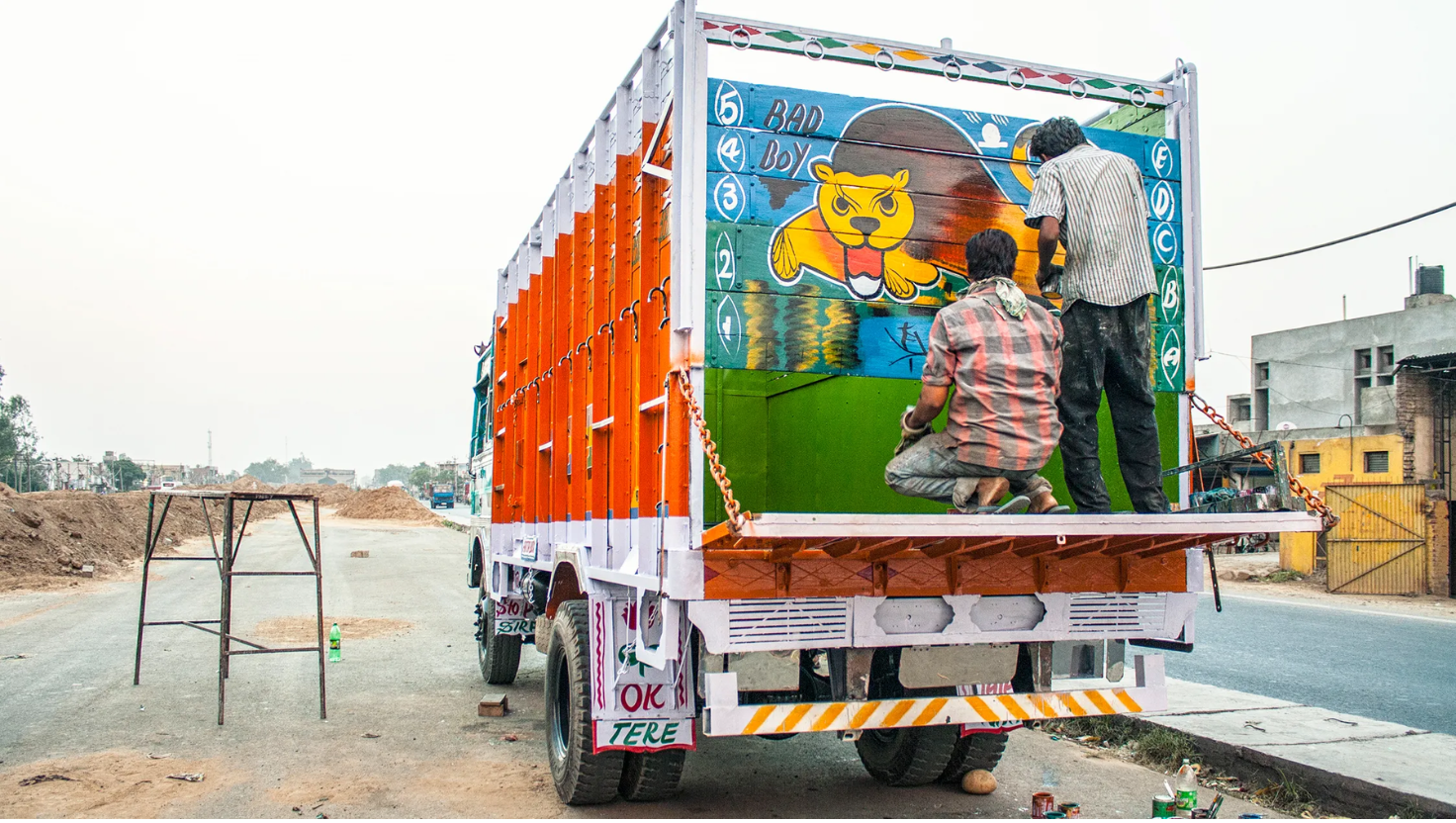
Truck Customisation Trends: Merging Functionality with Personal Style
Read More
Celebrating Festivals on the Road: How Truckers Stay Connected to Home
Read More
Rural Empowerment Through Better Trucking Networks
Read More
Health on the Go: Wellness Solutions for Long-Haul Drivers
Read More
How Trucking Keeps India’s Small Businesses Moving Forward
Read More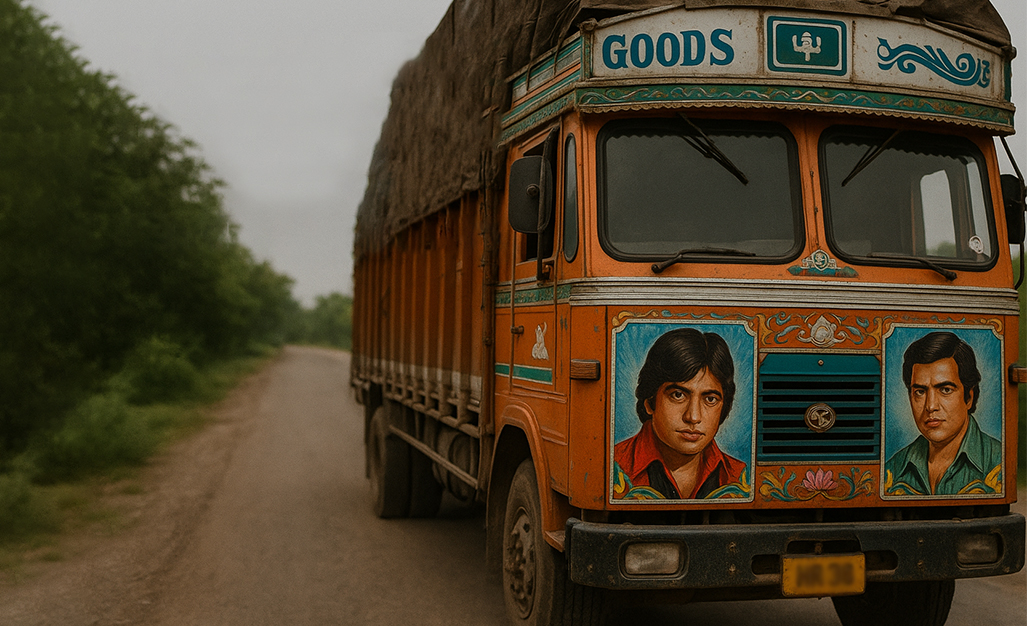
The Influence of Bollywood on Indian Trucking Culture
Read More
Youth and Trucking: Inspiring the Next Generation of Drivers
Read More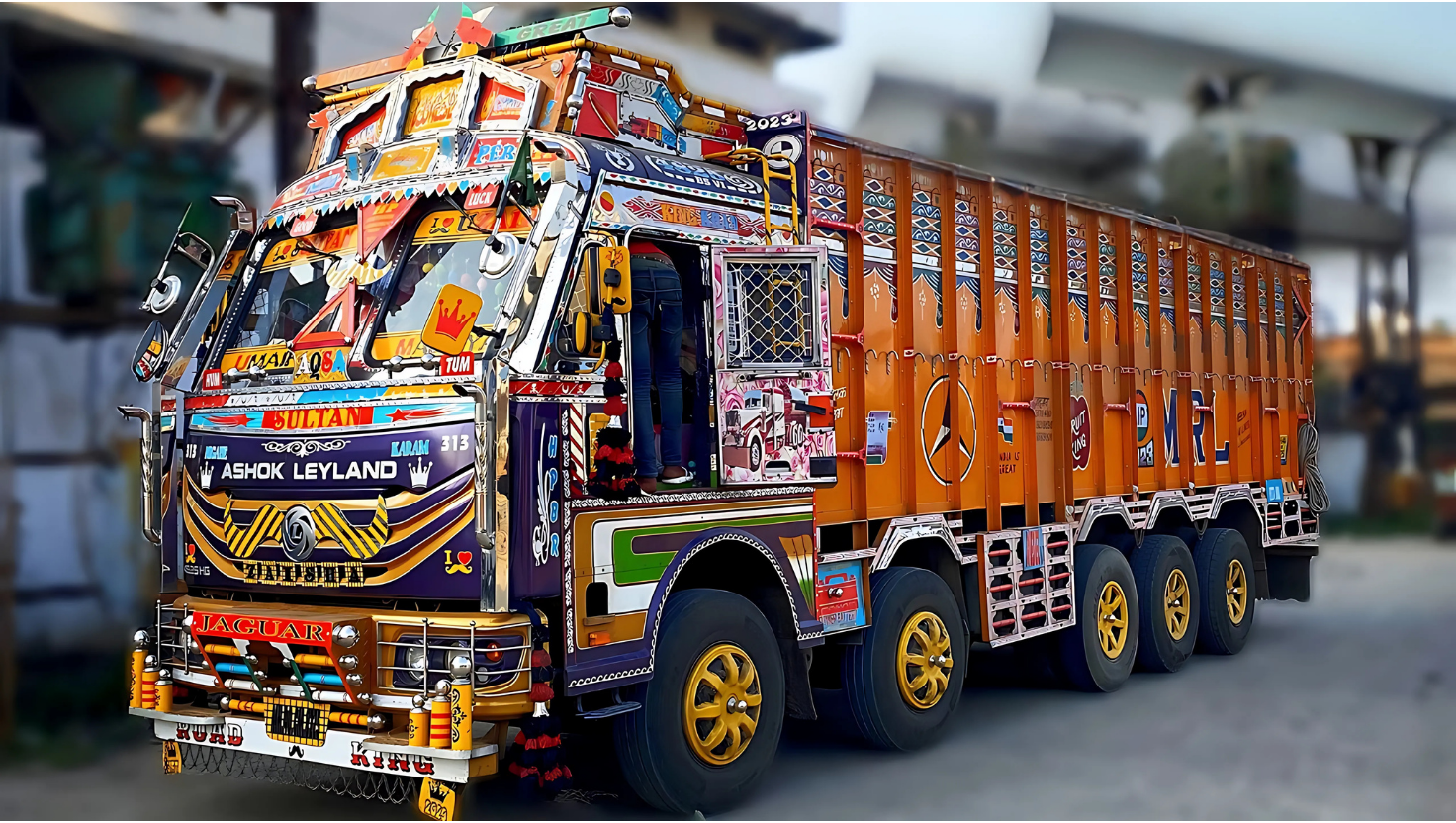
Innovative Truck Financing Options: Making Ownership Accessible
Read More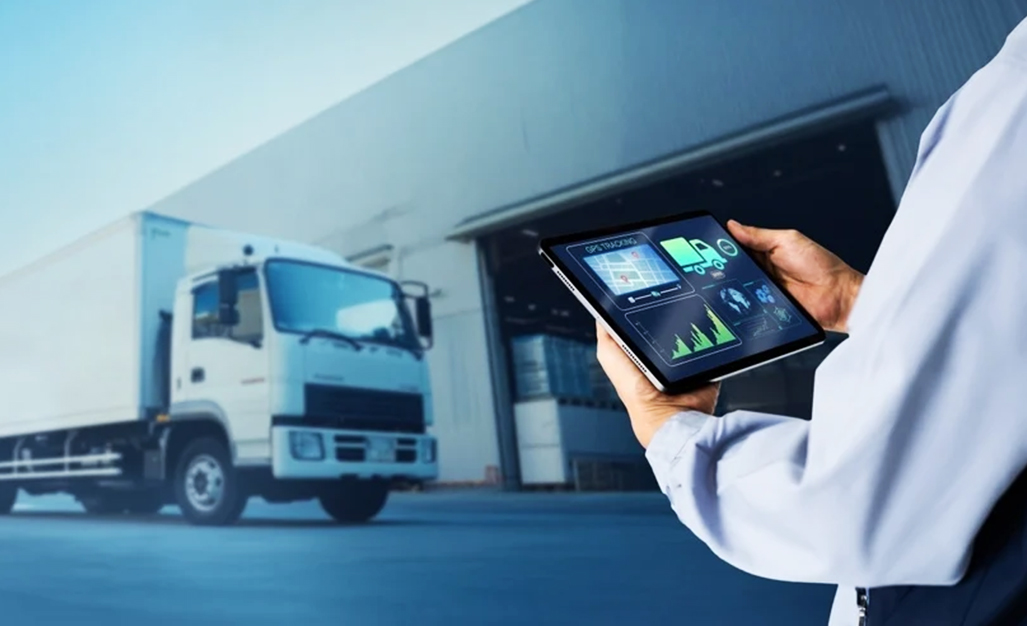
The Role of AI in Streamlining Fleet Management
Read More
Trucking Beyond Cargo: Supporting Disaster Relief and Humanitarian Efforts
Read More
Life on the Highways: Stories of Resilience from Indian Truck Drivers
Read More
10 Summer Maintenance Tips to Keep Your Truck Running Smoothly
Read More
The Importance of Regular Tyre Checks for Safety and Fuel Efficiency
Read More
Common Truck Breakdowns and How to Prevent Them
Read More
Understanding Truck Warning Lights: What They Mean
Read More
Future of Trucking in India: Trends to Watch in 2025 & Beyond
Read More
How to Prepare Your Truck for the Monsoon Season?
Read More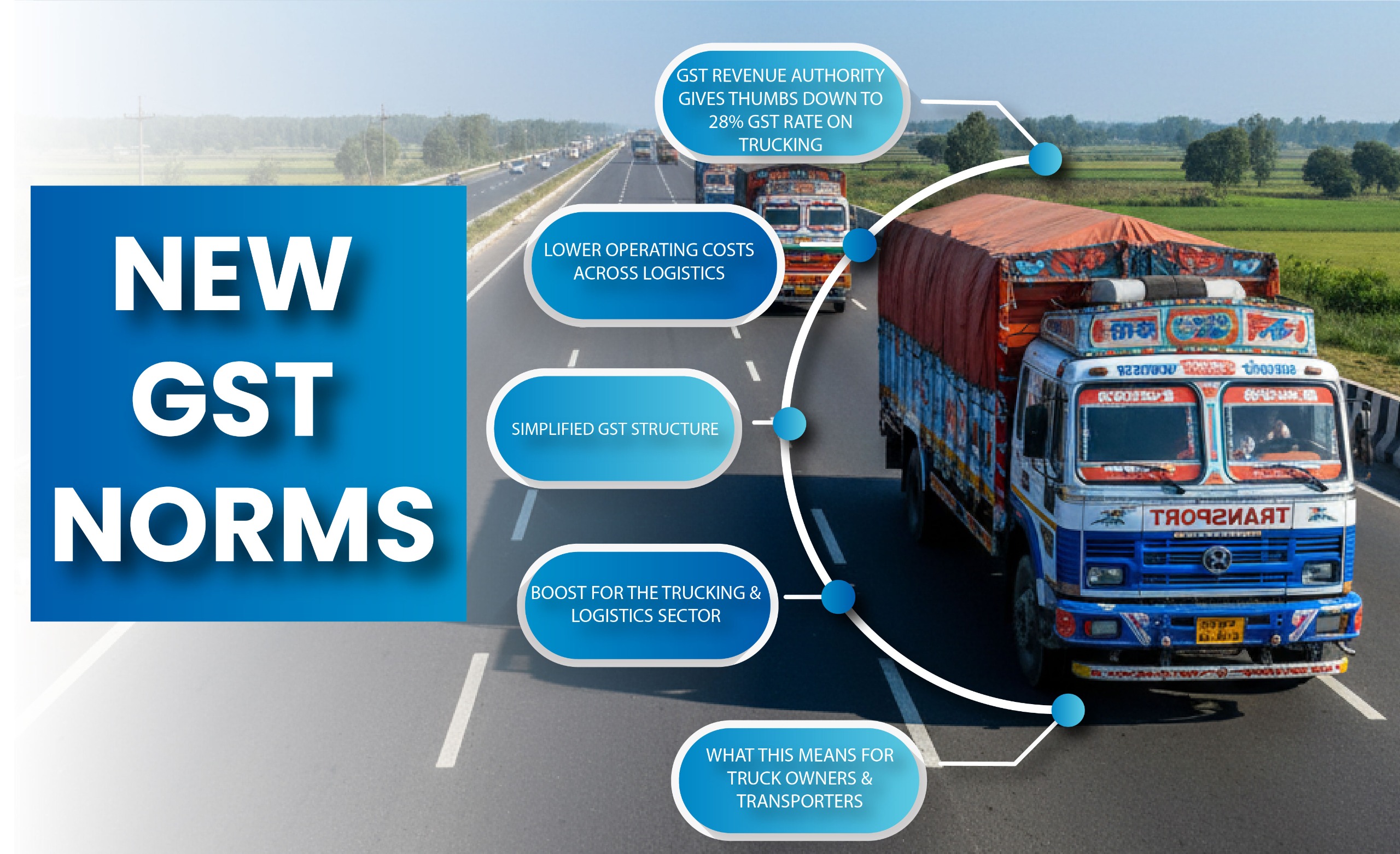
GST Reforms 2025
Read More
10 Smart Fuel-Saving Tips for Everyday Trucking
Read More
Why Preventive Maintenance Saves Money
Read More
Driving Tips for Highway Safety
Read More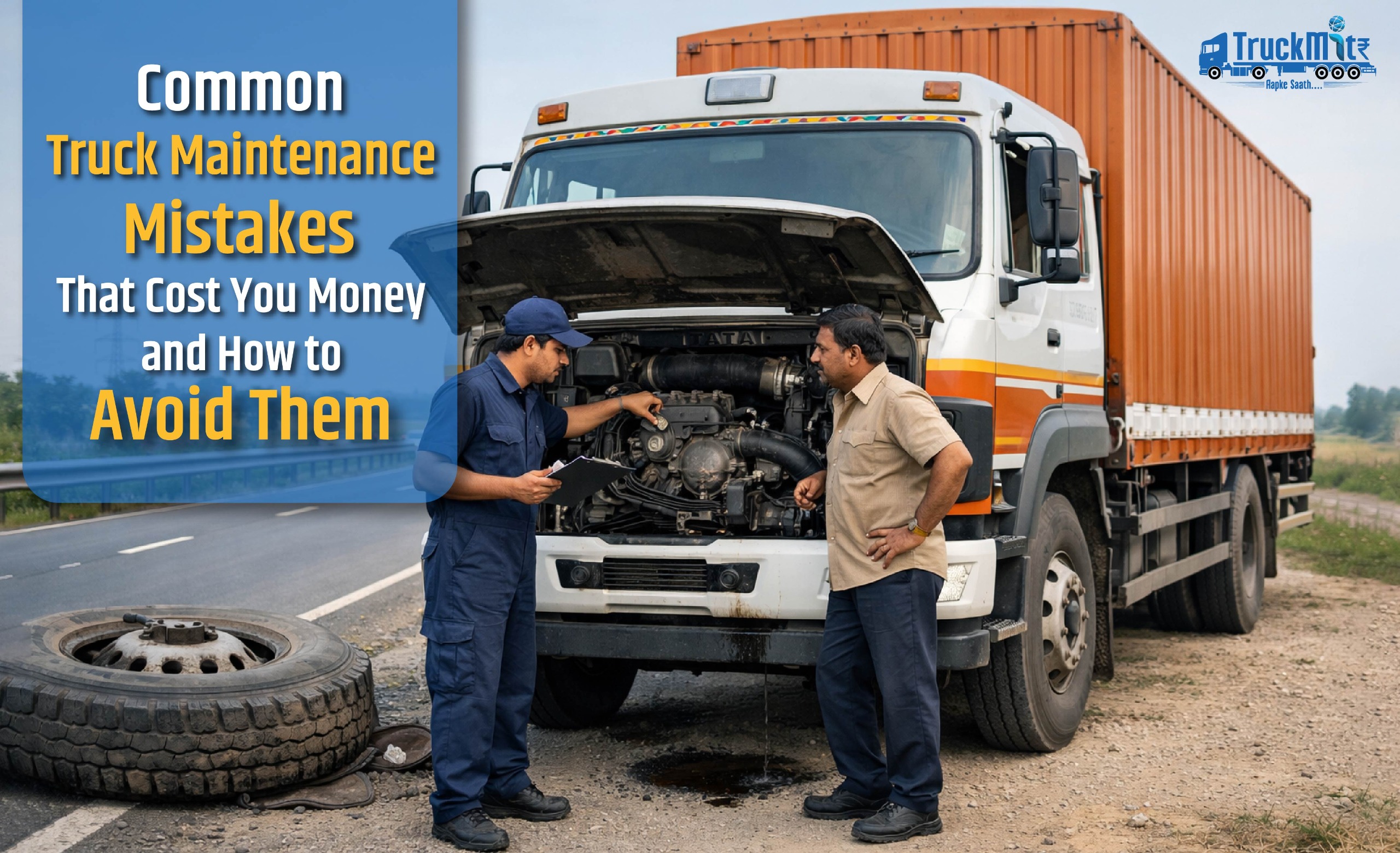
Common Truck Maintenance Mistakes
Read More
Importance Of Good Sleep
Read More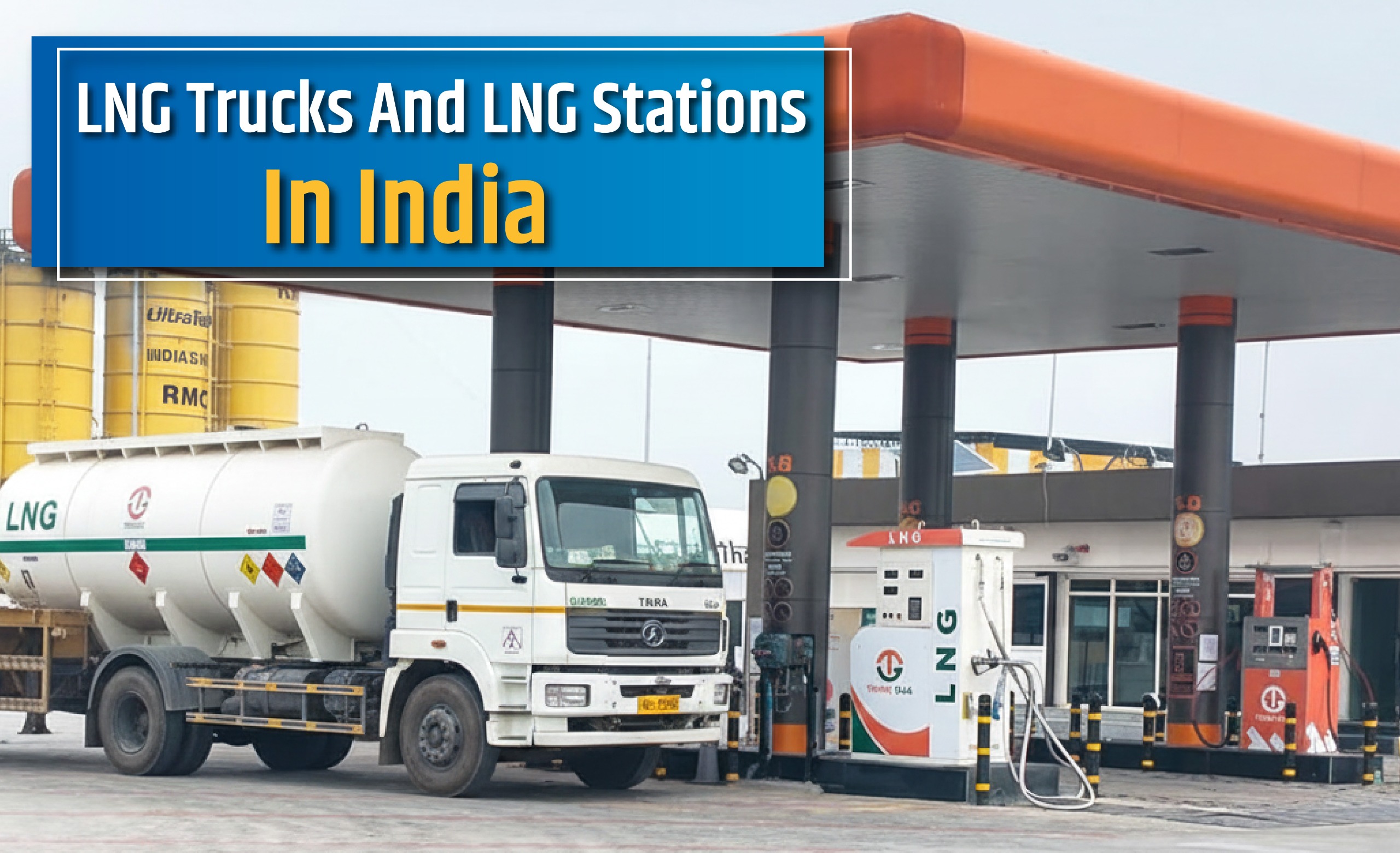
LNG Trucks and LNG Stations in India
Read More
Driving a Greener Future
Read More
Future Projections of Driving Training Schools in India’s Growing Trucking Industry
Read More
Impact of AI on the Trucking Industry
Read More
India’s Growing Truck Driver Shortage
Read More
Practical Tips to Maintain Comfort Inside the Truck Cabin
Read More
Managing Stress During Traffic and Route Delays
Read More
Typical End-of-Day Practices After Completing a Driving Shift
Read More
Common Causes of Tiredness During Long Driving Hours
Read More
A New Chapter in India’s Transport and Logistics Story
Read More
Impact of AI on Career Growth of Truck Drivers
Read More
Early Signs of Fatigue Drivers Commonly Experience on the Road
Read More
Common Learnings for First-Time Truck Owners
Read More
Why Verified Truck Driver Hiring is Important for Fleet Owners
Read More
The Future of Digital Trucking Ecosystems in India
Read More
Essential Skills Every Modern Truck Driver Should Learn
Read More
Top Reasons Transporters Should Digitize Driver Recruitment
Read More
How Digital Platforms are Reducing Dependence on Trucking Brokers
Read More
How to Hire Reliable Truck Drivers for Your Fleet
Read More
Why India Needs a Unified Trucking Ecosystem Platform
Read More
How to Build Trust Between Transporters and Truck Drivers
Read More
How Driver Lifecycle Management Reduces Operational Burden for Fleet Companies
Read More
Why Corporate Fleets Need Managed Driver Staffing Solutions
Read More