 ×
×

Ask any transporter how they find drivers, and the answer hasn't changed much in twenty years. You call a contact. That contact calls someone else. A broker gets involved. You wait. If the driver shows up, you ask a few questions, check his licence, and hope for the best. This worked well enough when business was smaller, routes were familiar, and the same pool of drivers came back season after season.
The old system was built for a different era of trucking. As fleets expand, routes diversify, and driver shortages grow, those methods are becoming harder to rely on alone. Fleet owners running ten or fifteen trucks find that the informal network starts breaking down the moment they need to hire quickly or fill a position they've never hired for before.
The personal network model has one fundamental limit: it only reaches as far as the people you already know. If you're a transporter in Pune looking for a driver experienced in long-haul refrigerated cargo to Delhi, your local contacts may not have anyone. You post on WhatsApp groups. Someone suggests a broker. The broker calls with three names, none of whom have refrigerated vehicle experience. Two weeks pass, the truck sits idle, and a client is asking for updates.
Beyond limited reach, there's the verification problem. A driver comes referred by a trusted contact, which feels reassuring, but that trust is personal, not documented. You don't know his driving history on similar routes, whether his licence is current across the right vehicle categories, or whether a previous employer had issues worth knowing about. When something goes wrong on a delivery, the gaps in what you knew at hiring become visible.
Hiring for new routes or regions is where the informal system fails most clearly. You have no network there, no referrals, and no real way to assess candidates except through intermediaries who may not understand your operational requirements. For many transporters, this is the point where digital driver recruitment stops being a future consideration and starts being a present need.
A driver recruitment platform changes the starting point entirely. Instead of waiting for your network to surface someone, you can reach drivers across cities and states who are actively looking for work and who have already listed the kind of experience you need. If you need a driver familiar with multi-axle vehicles on NH44, or someone with ODC cargo permit experience, you can filter for those requirements rather than explaining them to a broker and hoping for a match.
Timing is where this advantage becomes most visible. During Diwali or the pre-harvest season, freight volumes spike and demand for drivers goes up sharply across the board. Your broker's pool shrinks at exactly the moment you need it most. A fleet owner who wins a new contract in October and needs three drivers in ten days can't afford to wait two weeks for the network to respond. With access to a larger pool of drivers who have listed their availability across regions, you're not competing for the same ten names your competitors are also chasing.
The same applies when business grows faster than expected. When you add two trucks and need to crew them within the month, or when a driver quits mid-route and you need a replacement in a city where you have no local contacts, a broader pool gives you options that informal hiring simply can't. Different vehicle categories, route types, and experience levels, all accessible from within the same platform. No single broker can offer that kind of coverage consistently.
Hiring a driver involves a level of trust that most businesses in other sectors handle through formal processes. You're handing someone a vehicle worth lakhs, responsible for cargo worth several times more, and sending him out on routes where you can't supervise him. Most transporters make that decision with limited information.
Digital platforms that maintain driver profiles change what's available before you decide. A transporter can see documented work history, the type of vehicles a driver has handled, route experience, and verification status. Background checks covering identity, address, and court records provide a level of due diligence that simply wasn't practical through informal hiring. Working from verified information rather than a personal referral changes the quality of hiring decisions, particularly when you're managing multiple trucks and can't afford disruption on a key route.
Every day a truck sits without a driver is a day of lost revenue. A twenty-tonne truck parked because you can't find a replacement in time isn't just a cost line in your accounts. It becomes a delayed delivery, a client calling for updates, and sometimes a lost consignment booking.
The informal hiring process is slow by design. Calls go out, word spreads through the network, someone suggests a name, that person needs to be located and then interviewed and verified. A cycle that takes ten to fifteen days through traditional channels can be compressed when you're working from a pool of drivers who have already listed their availability, experience, and documents on a digital driver recruitment platform. Fewer idle days means fewer conversations with clients explaining why a delivery is delayed.
Broker commissions are a recurring cost most transporters accept as part of doing business. For a single hire, the amount may feel manageable. Across multiple hires in a year, especially for fleet owners with higher turnover, those costs add up. Beyond the commission itself, there's the time cost: the phone calls, the back-and-forth with brokers who send candidates you didn't ask for, and the coordination involved before you even meet a driver.
When you digitize driver recruitment, the effort shifts. You're spending time reviewing candidates with documented profiles rather than chasing referrals through three intermediaries. For a transport business running under tight margins, that's a meaningful change in how recruitment time and money actually gets spent.
One thing digital recruitment does that informal hiring can't is create a record. When drivers maintain professional profiles, document their experience, and build a verifiable work history, the quality of information on both sides of the hire improves. Transporters make better decisions. Drivers get opportunities that match their actual experience and skills.
Over time, this supports a more professional workforce across the industry. Drivers who can demonstrate specific skills, route experience, or familiarity with particular cargo types are easier to match with transporters who need exactly that. Training and certification also gain visible value. A driver who has completed a course in hazardous goods transport or has documented experience with temperature-controlled cargo can show that in a profile in a way that word-of-mouth never captured. Through informal hiring, that kind of detail rarely surfaces at all.
TruckMitr is India's first driver-centric trucking ecosystem, built around how Indian transport operations actually work. It connects drivers, transporters, fleet owners, logistics companies, and service providers through a single platform, giving transporters a way to digitize driver recruitment without building their own hiring infrastructure from scratch. Driver profiles carry documented experience and relevant details, so hiring decisions can move faster and with more confidence. Background verification covering identity, address, and court records is available, addressing one of the more persistent problems in informal hiring. TMConnect, TruckMitr's telecalling support team, works directly with transporters to understand their hiring requirements and screen applicants before connecting them with suitable drivers. Fleet owners who have spent years working through brokers and personal contacts will find the process more structured, with less time spent chasing candidates who don't fit the requirement.
The Bottom Line
Digitizing driver recruitment has become a practical business requirement as transport operations become larger, faster, and more demanding. Driver shortages, fleet expansion, tighter delivery timelines, and rising client expectations have all made the informal hiring network harder to depend on alone.
Transporters who build digital recruitment into their operations gain shorter hiring cycles, better information at the point of decision, and less exposure to broker dependency. Those advantages compound. India's organized logistics sector is growing, e-commerce volumes are rising, and competition for reliable, experienced drivers will only intensify. Logistics contracts increasingly come with stricter delivery commitments, documentation requirements, and performance accountability. The transporters who have structured hiring systems in place will be better positioned to take on that business. Driver hiring in India is professionalizing, and the businesses that adapt early will carry that advantage long after those still working from WhatsApp groups and broker calls have started to feel the gap.

Elevating The Indian Trucking Ecosystem
Read More
How To Collaborate With Us And A List Of All Services We Cater To
Read More
Driving India Forward How Truck Drivers Power the Economy
Read More
From Rugged Beginnings to Digital Frontiers The Tata Motors Legacy in Indian Trucking
Read More
On-the-Go Repairs and Mobile Truck Maintenance Services in India
Read More
Safer Roads Ahead The Transformation of India’s Trucking Industry
Read More
The Future of Truck Driving A Road to Opportunity
Read More
How Electric Trucks Can Power Up Your Business A Look at the Benefits
Read More
Top 10 Health Tips for Long-Haul Truck Drivers
Read More
Tata Motors Gears Up for Digital Transformation with Fleet Verse
Read More
Tata Motors Reports Strong Sales Performance in May 2024
Read More
The Importance of Mental Health for Truck Drivers A Critical Look
Read More
The Rising Role of Women in Truck Driving in India
Read More
Emergency Preparedness for Truck Drivers
Read More
Adapting to Changing Weather Patterns: Challenges for Indian Trucking
Read More
Revolutionizing Trucking with Blockchain
Read More
Truck Customisation Trends: Merging Functionality with Personal Style
Read More
Celebrating Festivals on the Road: How Truckers Stay Connected to Home
Read More
Rural Empowerment Through Better Trucking Networks
Read More
Health on the Go: Wellness Solutions for Long-Haul Drivers
Read More
How Trucking Keeps India’s Small Businesses Moving Forward
Read More
The Influence of Bollywood on Indian Trucking Culture
Read More
Youth and Trucking: Inspiring the Next Generation of Drivers
Read More
Innovative Truck Financing Options: Making Ownership Accessible
Read More
The Role of AI in Streamlining Fleet Management
Read More
Trucking Beyond Cargo: Supporting Disaster Relief and Humanitarian Efforts
Read More
Life on the Highways: Stories of Resilience from Indian Truck Drivers
Read More
10 Summer Maintenance Tips to Keep Your Truck Running Smoothly
Read More
The Importance of Regular Tyre Checks for Safety and Fuel Efficiency
Read More
Common Truck Breakdowns and How to Prevent Them
Read More
Understanding Truck Warning Lights: What They Mean
Read More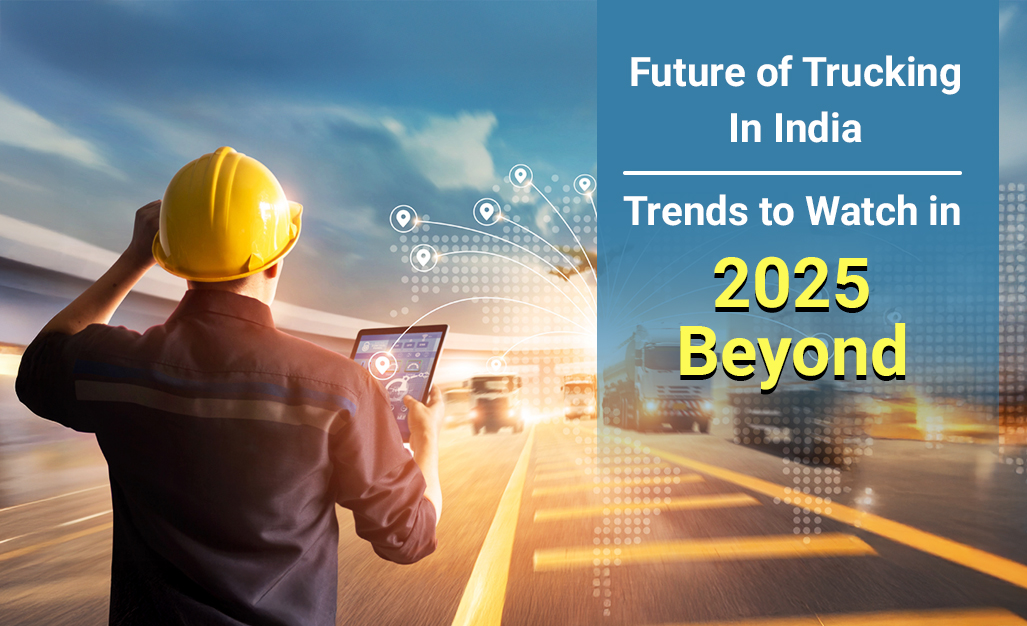
Future of Trucking in India: Trends to Watch in 2025 & Beyond
Read More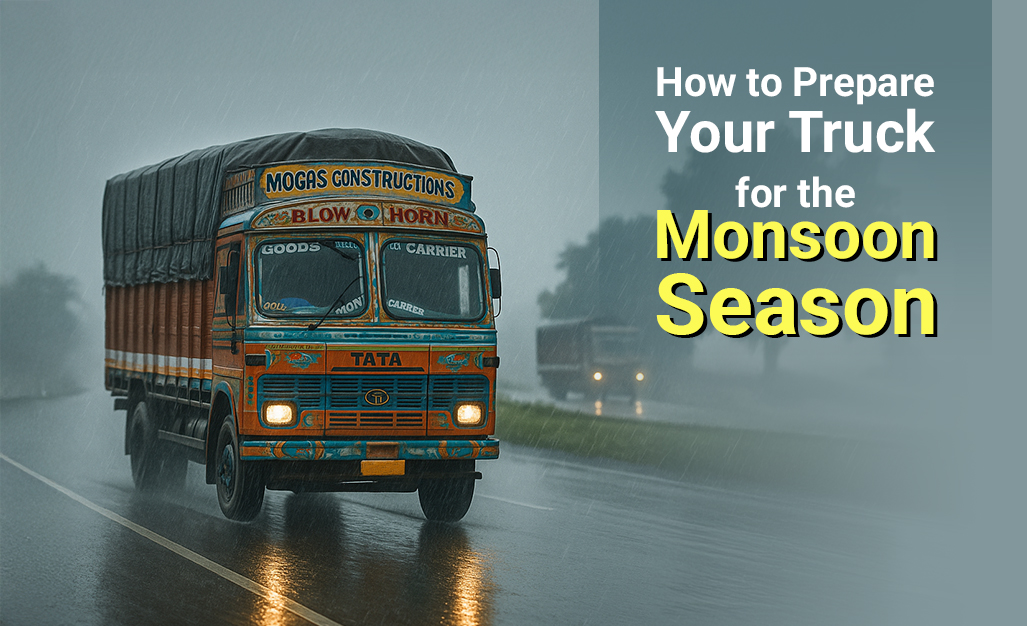
How to Prepare Your Truck for the Monsoon Season?
Read More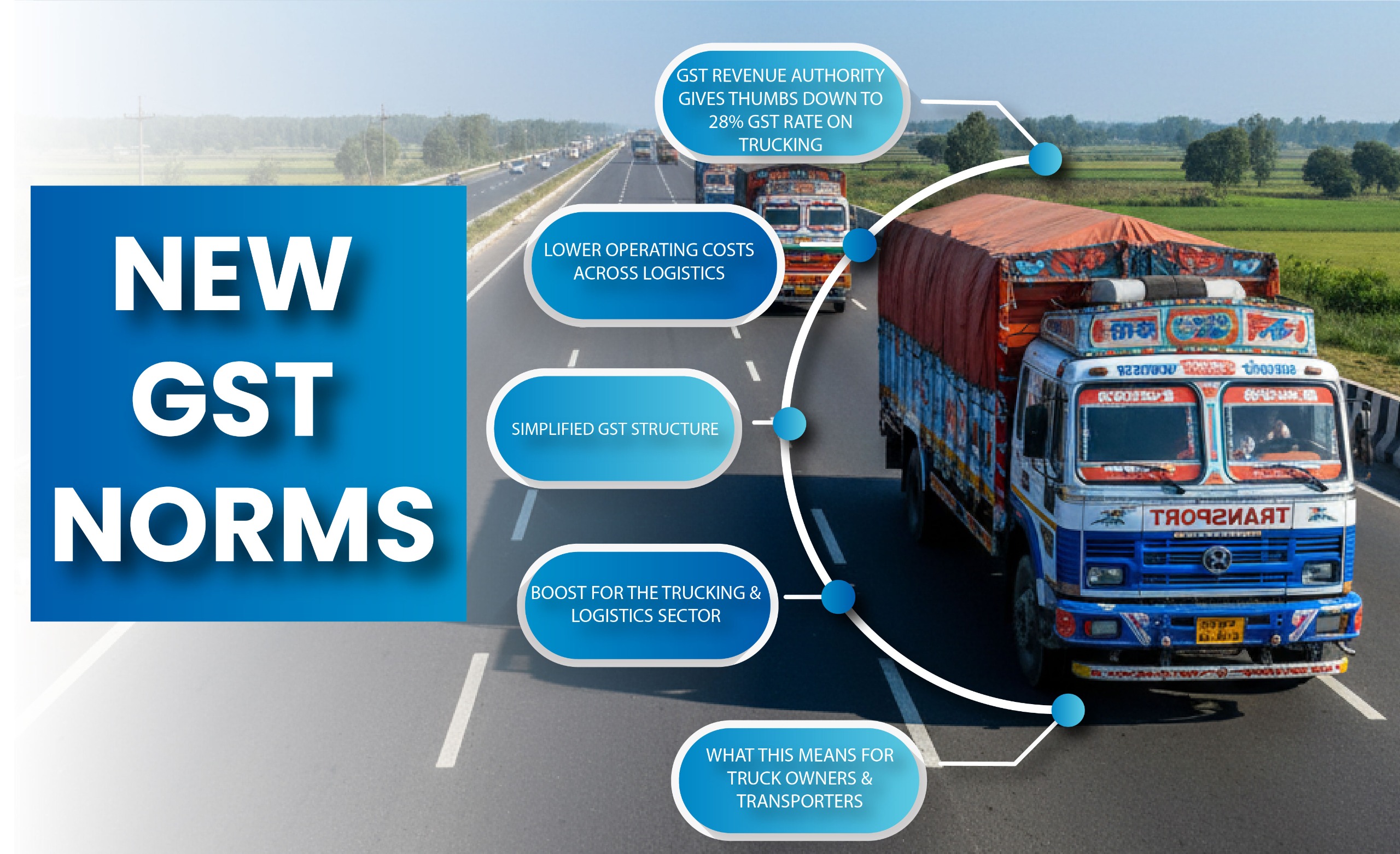
GST Reforms 2025
Read More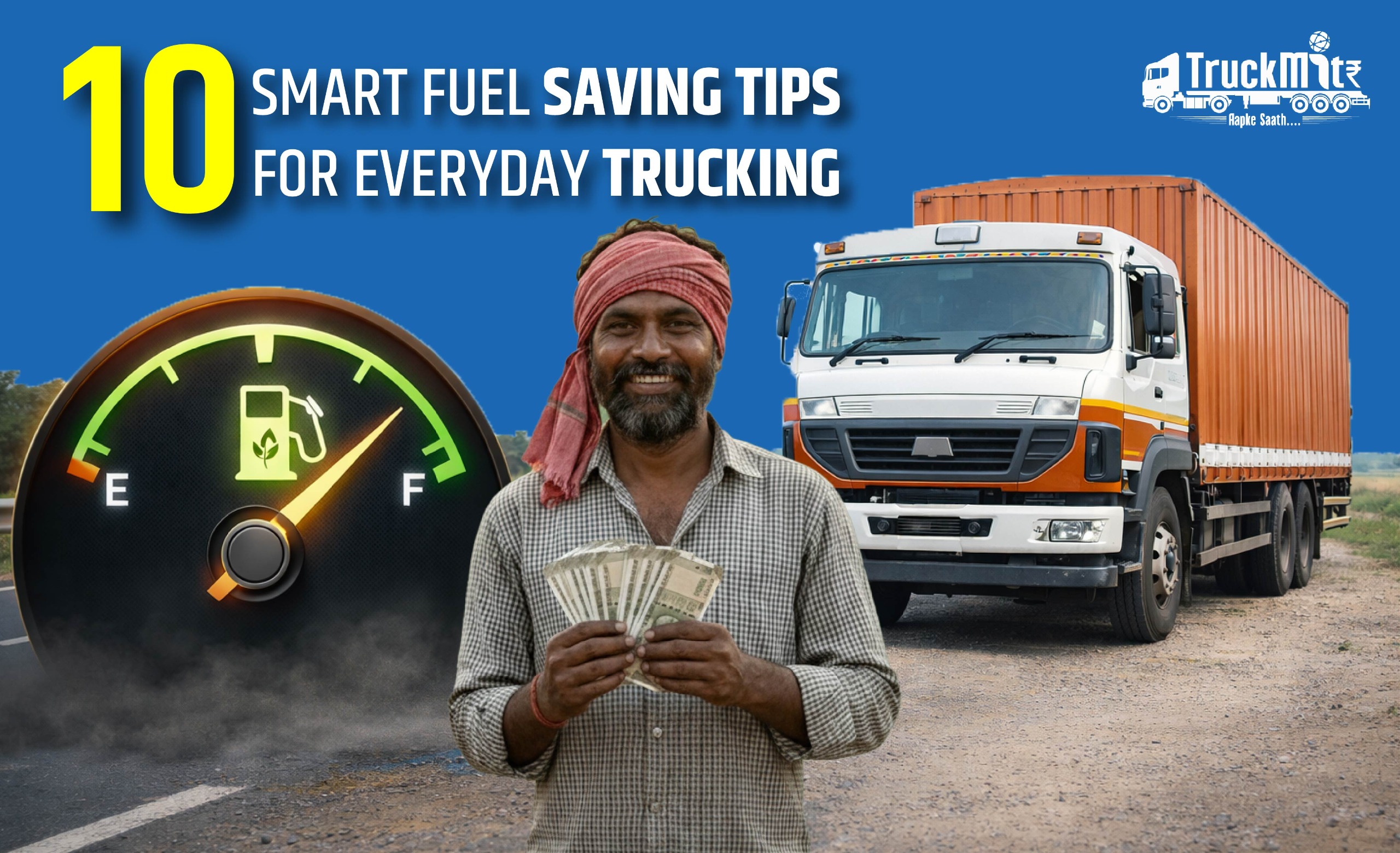
10 Smart Fuel-Saving Tips for Everyday Trucking
Read More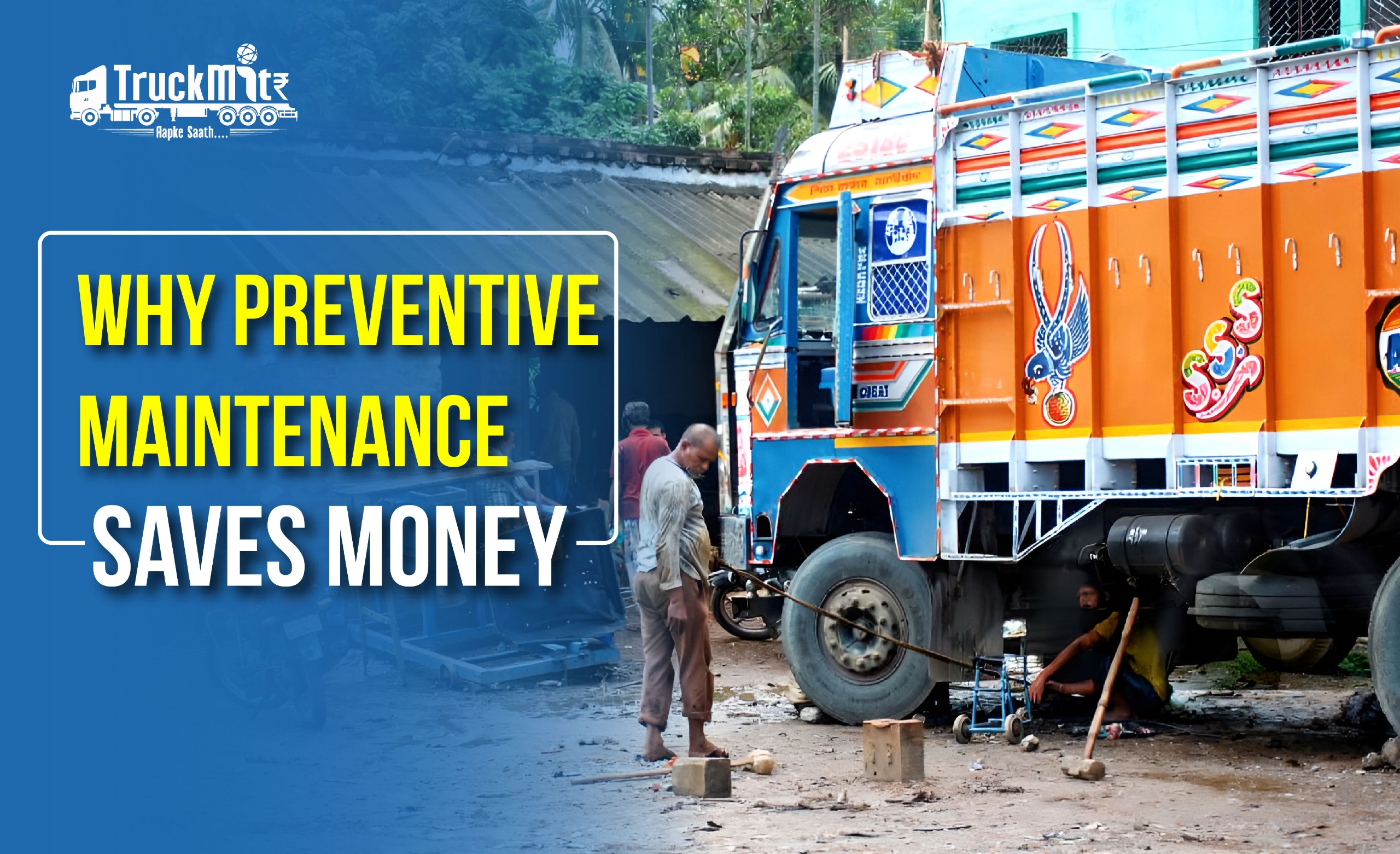
Why Preventive Maintenance Saves Money
Read More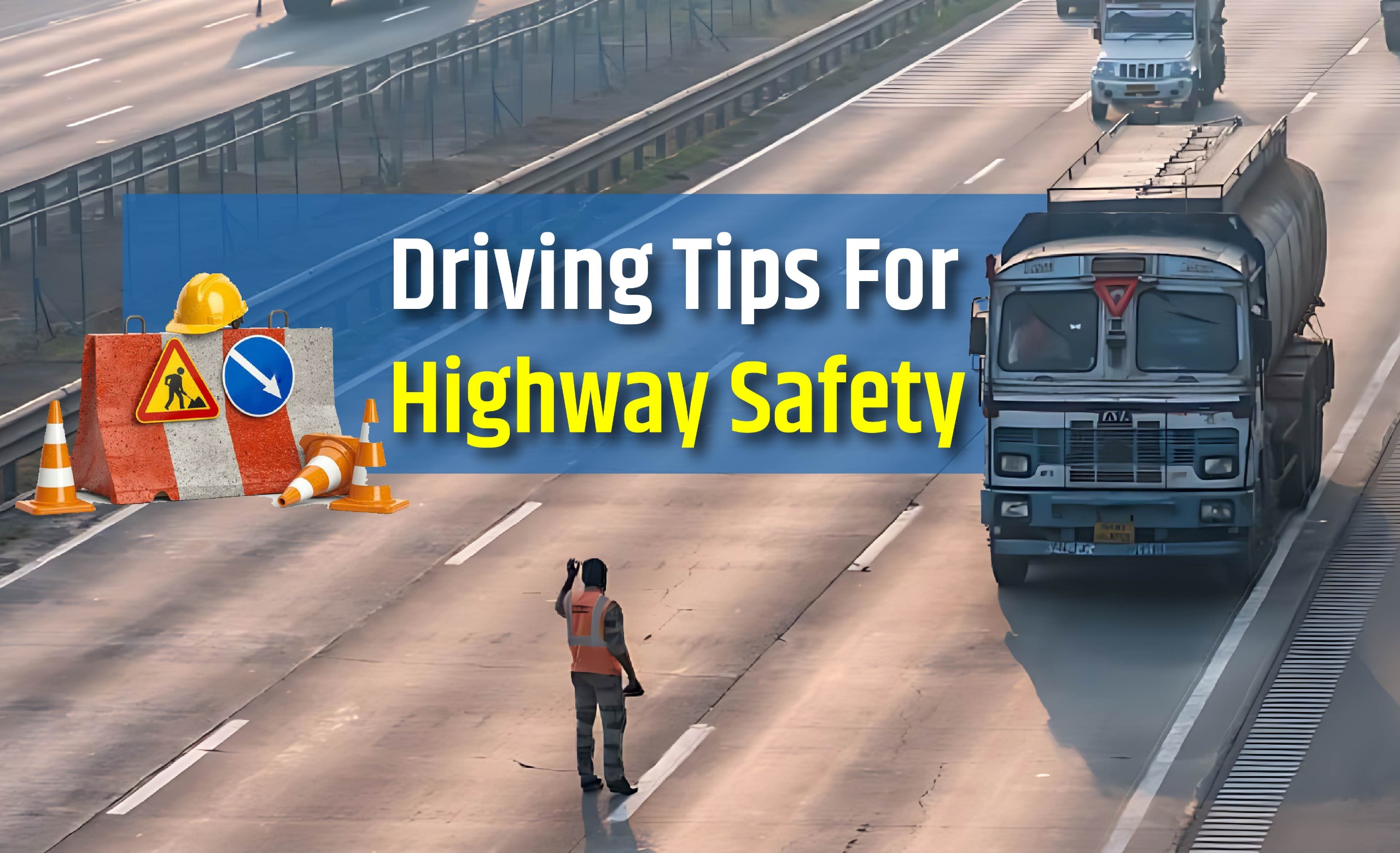
Driving Tips for Highway Safety
Read More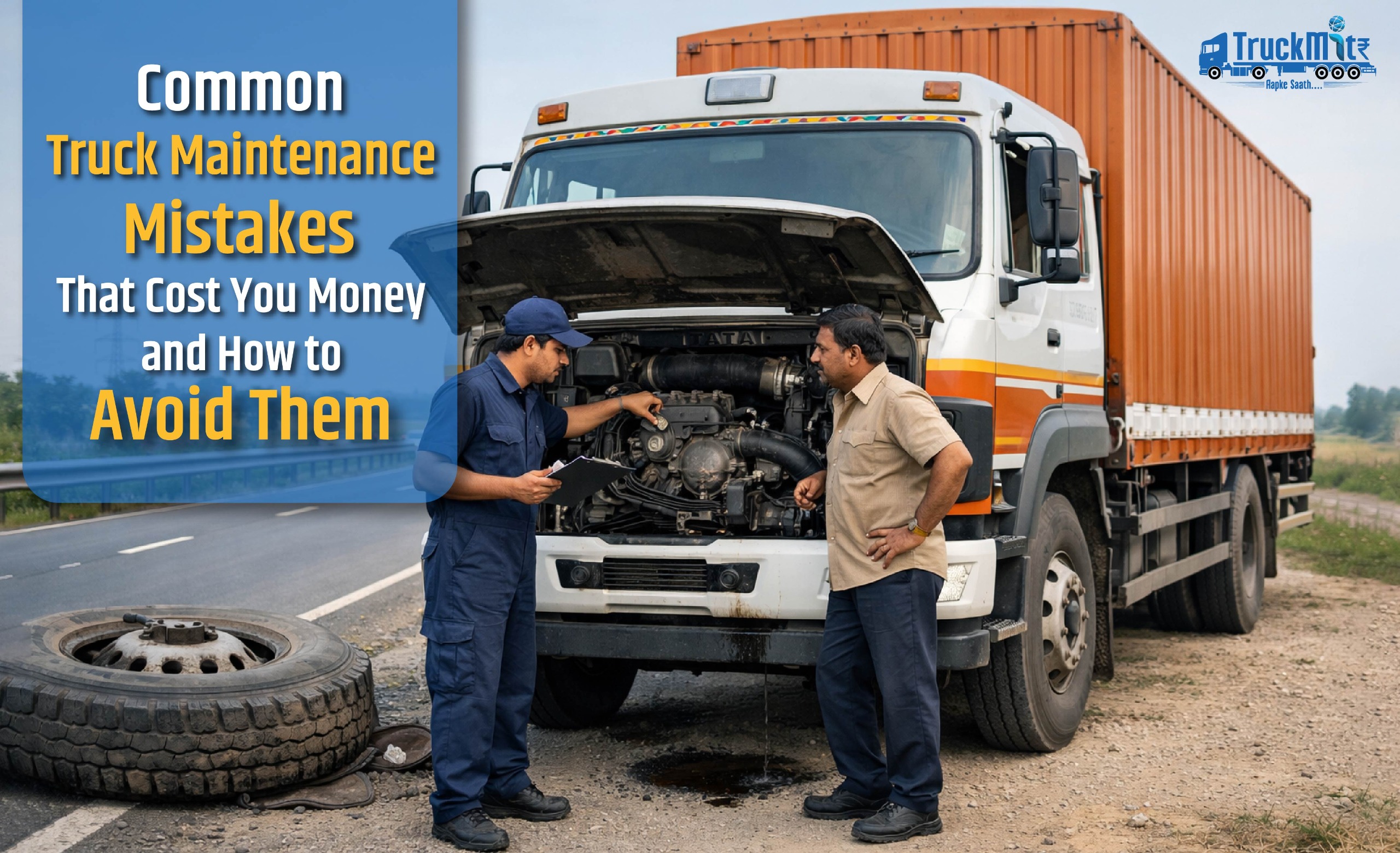
Common Truck Maintenance Mistakes
Read More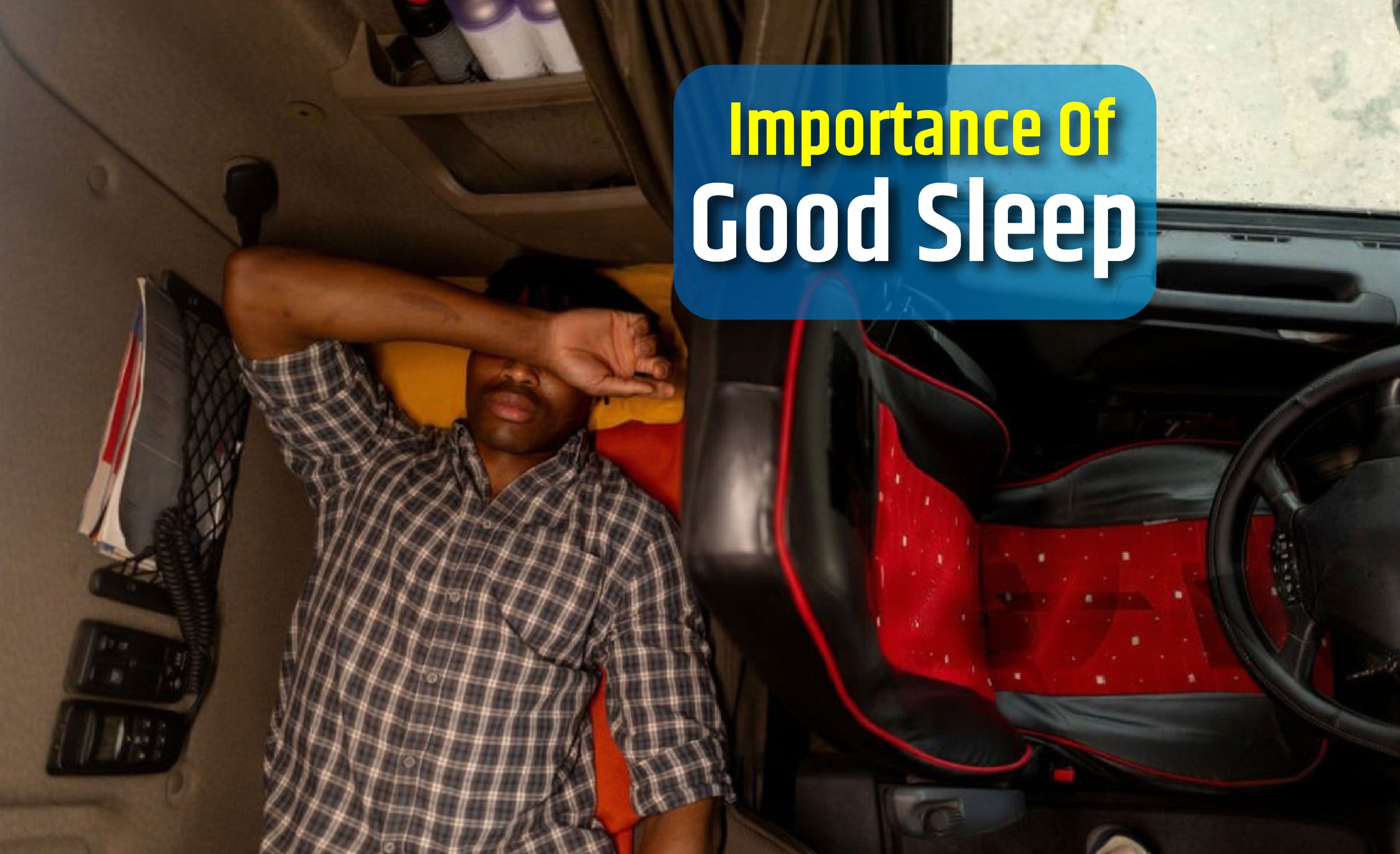
Importance Of Good Sleep
Read More
LNG Trucks and LNG Stations in India
Read More
Driving a Greener Future
Read More
Future Projections of Driving Training Schools in India’s Growing Trucking Industry
Read More
Impact of AI on the Trucking Industry
Read More
India’s Growing Truck Driver Shortage
Read More
Practical Tips to Maintain Comfort Inside the Truck Cabin
Read More
Managing Stress During Traffic and Route Delays
Read More
Typical End-of-Day Practices After Completing a Driving Shift
Read More
Common Causes of Tiredness During Long Driving Hours
Read More
A New Chapter in India’s Transport and Logistics Story
Read More
Impact of AI on Career Growth of Truck Drivers
Read More
Early Signs of Fatigue Drivers Commonly Experience on the Road
Read More
Common Learnings for First-Time Truck Owners
Read More
Why Verified Truck Driver Hiring is Important for Fleet Owners
Read More
The Future of Digital Trucking Ecosystems in India
Read More
Essential Skills Every Modern Truck Driver Should Learn
Read More
Top Reasons Transporters Should Digitize Driver Recruitment
Read More
How Digital Platforms are Reducing Dependence on Trucking Brokers
Read More
How to Hire Reliable Truck Drivers for Your Fleet
Read More
Why India Needs a Unified Trucking Ecosystem Platform
Read More
How to Build Trust Between Transporters and Truck Drivers
Read More
How Driver Lifecycle Management Reduces Operational Burden for Fleet Companies
Read More
Why Corporate Fleets Need Managed Driver Staffing Solutions
Read More