 ×
×

It is 5:45 in the morning. A truck is loaded and ready to leave by 6. The driver confirmed two days ago. Now his phone is switched off.
The transport manager starts calling down a contact list. One driver is already on a trip. Another cannot reach the yard in time. A third is available but has never driven this route, and no one has his licence copy on hand. By the time a replacement is arranged, it is past 7. The consignor is asking for an update. The delivery that was supposed to reach by evening is now uncertain.
Most transport managers will tell you that situations like this eat up two to three hours of their day. Hiring, chasing documents, arranging last-minute replacements: these are not occasional interruptions. They are the daily texture of running a fleet.
The problem is not just that drivers are hard to find. What happens after hiring is where most of the operational cost sits.
For many fleet companies, the challenge is not simply finding drivers. It is managing them consistently once they are part of the workforce.
The typical approach: a truck is available, a driver is needed, someone makes calls, a driver is found, the truck moves. When that driver leaves, the process repeats. There is no record of who worked well, which routes suited which driver, or whether a licence renewal has been dealt with. When a driver leaves, the knowledge about them leaves too.
Managing the entire driver relationship, from first contact through hiring, deployment, and eventual departure, as a continuous process is what reduces churn and unpredictability. This is often called driver lifecycle management. In practice it simply means managing drivers as an ongoing part of the business rather than treating every vacancy as a fresh emergency.
Good drivers are not sitting idle waiting to be hired. As freight volumes grow and more trucks come onto the road, fleet owners are competing for a pool that has not grown at the same pace. Retaining the drivers you already have is becoming just as important as finding new ones. A fleet that loses a reliable driver and starts from scratch is taking on recruitment time and delays it could have avoided.
Ask a fleet manager where their driver records are, and the answer is usually spread across several places: a physical register, a folder somewhere, a WhatsApp thread from six months ago. When a driver calls in sick at short notice, the manager has to start from scratch on who is available, whether they have driven the route, and whether a licence copy is on hand.
Fleet companies that rely on brokers face a related problem. The broker holds the information; the transporter does not. When something goes wrong, there is no trail to follow. Bringing driver information together in one place, profiles, documents, trip history, verification status, is the foundation for running a fleet without constant firefighting.
When a fleet maintains driver profiles over time, filling a vacancy means selecting from a known list rather than calling five brokers. For fleet owners running 30 or 50 trucks, the difference between filling a vacancy in three hours and three days often comes down to whether that information exists and is accessible.
Referrals work well enough most of the time, but they do not catch everything. Identity verification, address verification, and court record checks give a more complete picture before a driver takes a truck worth several lakhs onto a highway. An unverified driver is a risk you are carrying without knowing it.
When documents, qualifications, and employment history are in one place, the administrative load drops. Renewal reminders do not get missed. Pre-trip document checks take minutes instead of an hour of searching. For fleets spread across multiple locations, this kind of access is a basic operational requirement.
Trained drivers handle breakdowns, diversions, and delays with more composure. They carry out vehicle checks without being reminded and send a message when there is a delay rather than going silent. Each habit reduces the number of problems that escalate and the calls the office has to field. Fleets that invest in training also tend to see lower turnover.
Every experienced driver who stays two or three years is one you did not have to recruit and onboard again. When payments are on time, communication is clear, and drivers see some opportunity to grow, most will stay. Retention requires consistency, not a formal programme.
Truck idle time falls when deployment draws from a known driver pool rather than a fresh search. Recruitment costs come down when retention reduces emergency hires and broker fees. The business also gains more predictability because driver-related disruptions become less frequent. Time that was going into chasing documents and last-minute replacements can go into route planning and customer service instead. As a fleet scales, the administrative burden of managing drivers should not grow at the same rate as the number of trucks. With better systems in place, it does not have to.
TruckMitr was built around the idea that drivers, transporters, fleet owners, logistics companies, and service providers should all operate within one ecosystem rather than across disconnected channels. It helps transporters access verified driver profiles, background verification, skill development resources, and digital job matching through a single platform. For fleet companies looking to move away from scattered records and broker dependence, it brings the main parts of the hiring and management process into one place.
Idle trucks are rarely random. Most trace back to preventable gaps: the driver who left because no one followed up, the vacancy that took two weeks to fill, the trip delayed because a document could not be found in time.
Driver management is an ongoing business responsibility. The burden most fleets carry accumulates from dozens of small gaps, and it grows with the fleet if nothing changes.
The fleets that spend less time looking for drivers tomorrow are usually the ones investing in managing them properly today.

Elevating The Indian Trucking Ecosystem
Read More
How To Collaborate With Us And A List Of All Services We Cater To
Read More
Driving India Forward How Truck Drivers Power the Economy
Read More
From Rugged Beginnings to Digital Frontiers The Tata Motors Legacy in Indian Trucking
Read More
On-the-Go Repairs and Mobile Truck Maintenance Services in India
Read More
Safer Roads Ahead The Transformation of India’s Trucking Industry
Read More
The Future of Truck Driving A Road to Opportunity
Read More
How Electric Trucks Can Power Up Your Business A Look at the Benefits
Read More
Top 10 Health Tips for Long-Haul Truck Drivers
Read More
Tata Motors Gears Up for Digital Transformation with Fleet Verse
Read More
Tata Motors Reports Strong Sales Performance in May 2024
Read More
The Importance of Mental Health for Truck Drivers A Critical Look
Read More
The Rising Role of Women in Truck Driving in India
Read More
Emergency Preparedness for Truck Drivers
Read More
Adapting to Changing Weather Patterns: Challenges for Indian Trucking
Read More
Revolutionizing Trucking with Blockchain
Read More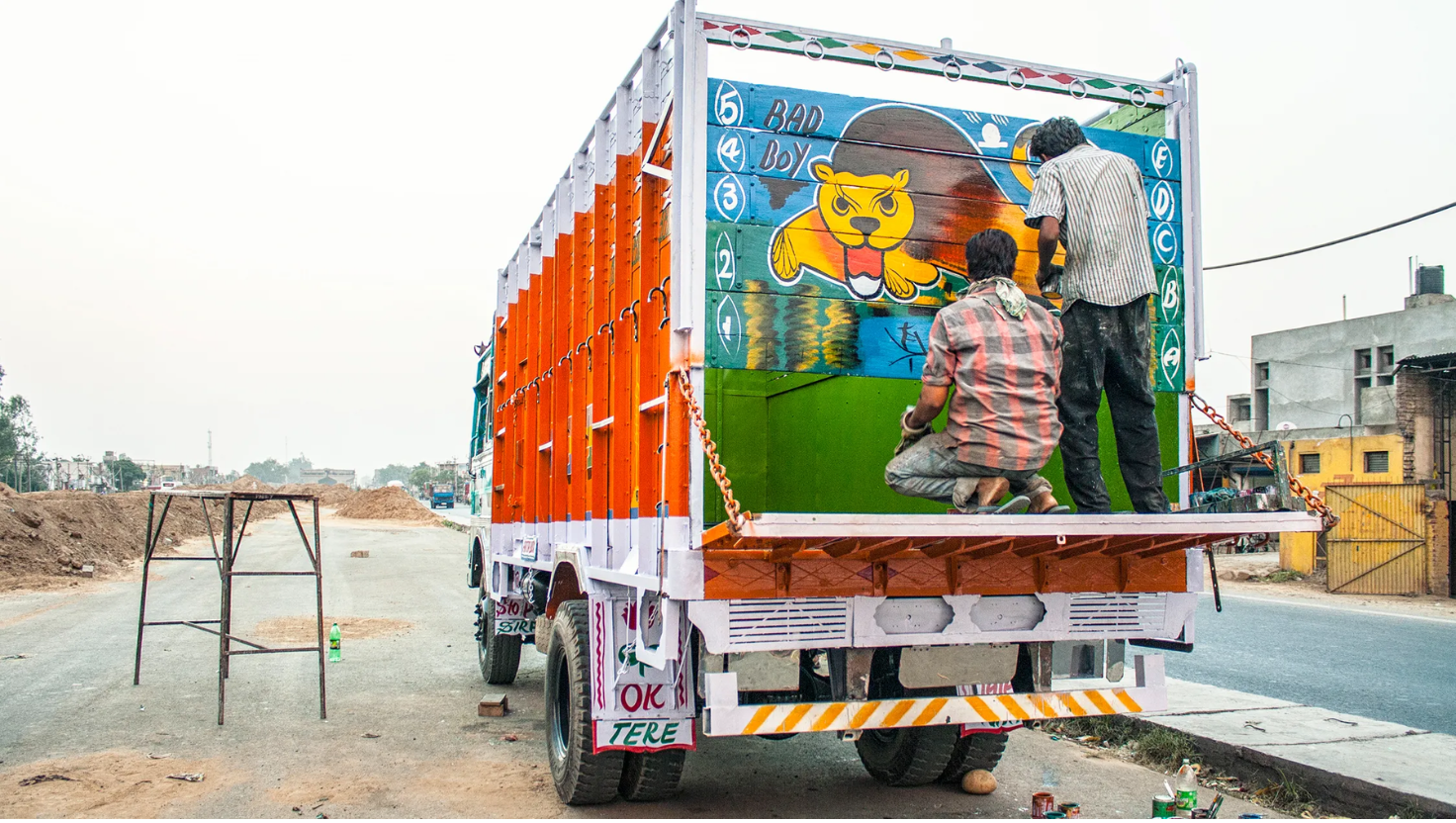
Truck Customisation Trends: Merging Functionality with Personal Style
Read More
Celebrating Festivals on the Road: How Truckers Stay Connected to Home
Read More
Rural Empowerment Through Better Trucking Networks
Read More
Health on the Go: Wellness Solutions for Long-Haul Drivers
Read More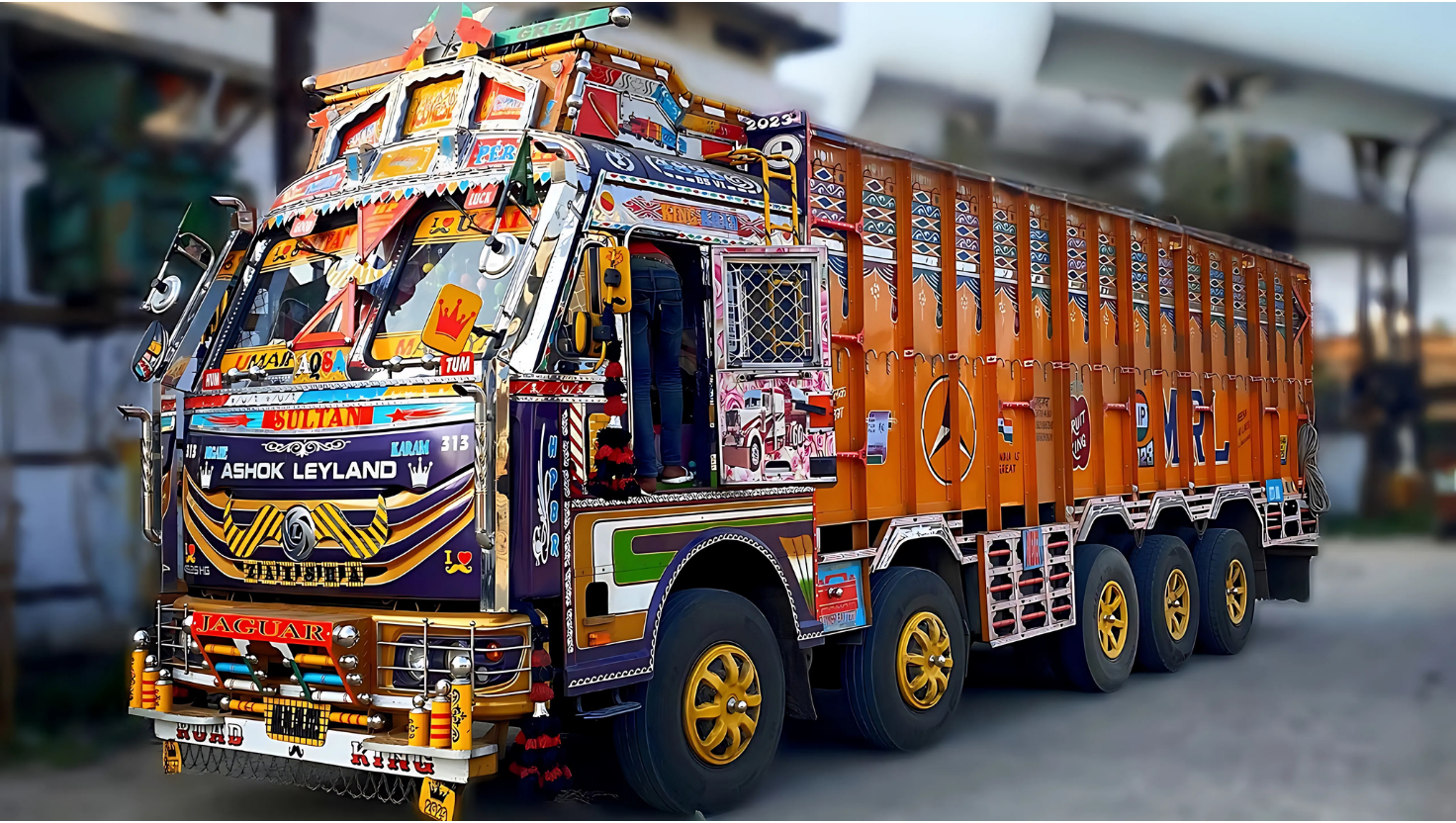
How Trucking Keeps India’s Small Businesses Moving Forward
Read More
The Influence of Bollywood on Indian Trucking Culture
Read More
Youth and Trucking: Inspiring the Next Generation of Drivers
Read More
Innovative Truck Financing Options: Making Ownership Accessible
Read More
The Role of AI in Streamlining Fleet Management
Read More
Trucking Beyond Cargo: Supporting Disaster Relief and Humanitarian Efforts
Read More
Life on the Highways: Stories of Resilience from Indian Truck Drivers
Read More
10 Summer Maintenance Tips to Keep Your Truck Running Smoothly
Read More
The Importance of Regular Tyre Checks for Safety and Fuel Efficiency
Read More
Common Truck Breakdowns and How to Prevent Them
Read More
Understanding Truck Warning Lights: What They Mean
Read More
Future of Trucking in India: Trends to Watch in 2025 & Beyond
Read More
How to Prepare Your Truck for the Monsoon Season?
Read More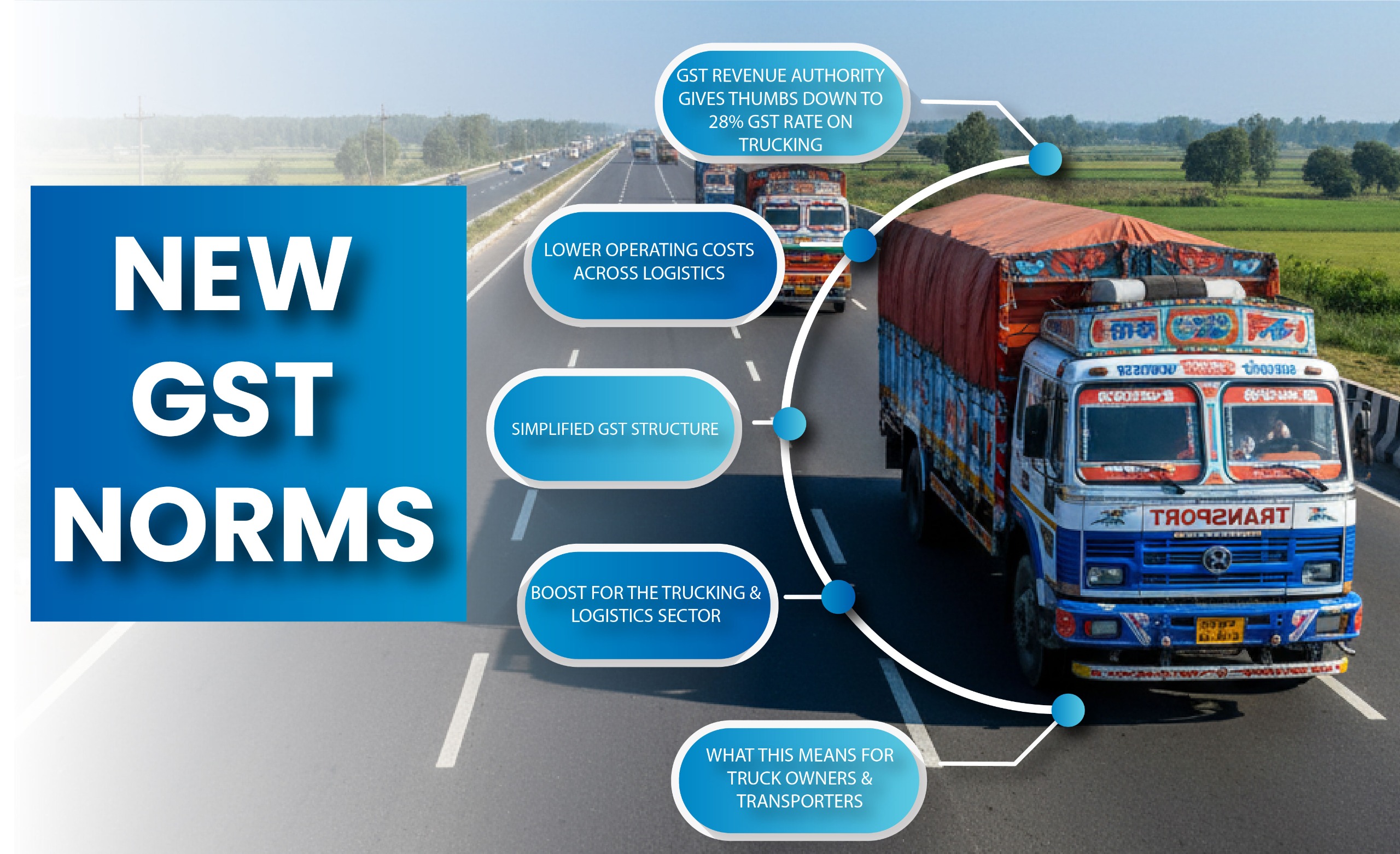
GST Reforms 2025
Read More
10 Smart Fuel-Saving Tips for Everyday Trucking
Read More
Why Preventive Maintenance Saves Money
Read More
Driving Tips for Highway Safety
Read More
Common Truck Maintenance Mistakes
Read More
Importance Of Good Sleep
Read More
LNG Trucks and LNG Stations in India
Read More
Driving a Greener Future
Read More
Future Projections of Driving Training Schools in India’s Growing Trucking Industry
Read More
Impact of AI on the Trucking Industry
Read More
India’s Growing Truck Driver Shortage
Read More
Practical Tips to Maintain Comfort Inside the Truck Cabin
Read More
Managing Stress During Traffic and Route Delays
Read More
Typical End-of-Day Practices After Completing a Driving Shift
Read More
Common Causes of Tiredness During Long Driving Hours
Read More
A New Chapter in India’s Transport and Logistics Story
Read More
Impact of AI on Career Growth of Truck Drivers
Read More
Early Signs of Fatigue Drivers Commonly Experience on the Road
Read More
Common Learnings for First-Time Truck Owners
Read More
Why Verified Truck Driver Hiring is Important for Fleet Owners
Read More
The Future of Digital Trucking Ecosystems in India
Read More
Essential Skills Every Modern Truck Driver Should Learn
Read More
Top Reasons Transporters Should Digitize Driver Recruitment
Read More
How Digital Platforms are Reducing Dependence on Trucking Brokers
Read More
How to Hire Reliable Truck Drivers for Your Fleet
Read More
Why India Needs a Unified Trucking Ecosystem Platform
Read More
How to Build Trust Between Transporters and Truck Drivers
Read More
How Driver Lifecycle Management Reduces Operational Burden for Fleet Companies
Read More
Why Corporate Fleets Need Managed Driver Staffing Solutions
Read More