 ×
×

Most transporters know the feeling well. A truck is ready to roll, the load is confirmed, the client is waiting, and the driver who was supposed to show up has not. Calls go unanswered. Brokers start throwing names at you. Someone from the transport nagar recommends their contact. By evening, you've hired someone you barely know, and the truck leaves without you being sure whether he's ever driven that route before.
What looks like a driver shortage on the surface quickly turns into a chain of operational and financial problems. Idle trucks, delayed dispatches, missed delivery windows, and strained client relationships all follow. The pressure to fill the seat fast means the decision gets made with almost no information, and everyone involved knows it.
Driver shortages are well documented in Indian trucking, but the harder, quieter problem is what happens when hiring standards slip under that pressure. Decisions that should take two or three days get made in two or three hours. And when those rushed decisions go wrong, the cost shows up across the whole operation.
A good driver handles the vehicle well, respects load limits, maintains fuel discipline, and keeps communication open on the road. A poor driver can drain your fuel budget in a single trip, damage goods worth several times his monthly wages, or create a situation on the highway that ends in an insurance claim or worse.
Fleet owners running ten or more vehicles see this pattern clearly. One unreliable driver can unravel weeks of goodwill built with a client. Deliveries that arrive late, damaged, or with incomplete documentation reflect on your business, not just on the person behind the wheel.
Think about what a driver actually controls during a trip: the vehicle, the goods, the timeline, and the first point of contact with your client's receiving team. When you add that up, the person you put in the cabin has more day-to-day impact on your contracts and your margins than most other hiring decisions you make.
A valid Heavy Motor Vehicle licence is the starting point, not the qualification. Many transporters hire on licence alone, and that is where the trouble often starts.
Reliability means different things depending on your operations. A driver with fifteen years of experience on national highways may not be the right fit for intra-city distribution in a congested metro. Someone comfortable with a 16-tonne rigid truck may struggle with a multi-axle vehicle on mountain roads. Route familiarity and vehicle category experience are both worth assessing before any hiring decision.
Beyond technical skills, you want to know whether a driver shows up when he says he will, whether he reports vehicle issues or ignores them, whether he follows trip procedures or cuts corners, and how he has handled difficult situations in previous jobs. These are harder things to check than a licence number, but they are what actually tells you whether a driver will last.
Attendance record, safety history, and professional conduct under previous employers are all worth asking about. A driver who left three jobs in eighteen months may have perfectly good reasons. He may also not.
There is also the question of how long a driver is likely to stay. Frequent turnover costs more than most fleet owners calculate. Every time a driver leaves, you spend time finding a replacement, someone else has to brief that person on routes and procedures, and for a few weeks the truck is either idle or running below par. Drivers who are well matched to the role and the fleet tend to stay longer. That stability saves money and reduces the disruption that comes with constantly starting over.
Skipping verification is one of the most common shortcuts in transport hiring, and also one of the most avoidable risks.
A driving licence can be checked through the Parivahan portal. Identity documents should be collected and cross-verified against originals. Previous employer references, even informal ones, are worth a phone call. A ten-minute conversation with a former fleet manager can tell you more than a two-hour interview.
Background checks, including identity verification, court record checks, and address verification, are not standard practice in most small to mid-sized fleets. They should be. A driver operating your vehicle has physical custody of goods worth lakhs and access to your clients' premises. The cost of a basic background check is small against the cost of one incident where that trust is broken.
There are also legal dimensions to consider. If a driver without a valid licence, or a driver with a suppressed history of traffic violations, is involved in an accident, your exposure increases considerably. Verification protects your business, not just your trucks.
The personal network works, until it doesn't. Most transporters have built their driver base over years through referrals from other fleet owners, drivers bringing in relatives, and contacts from the local transport nagar. This works reasonably well in familiar territory, but it has hard limits.
Your network gives you access to a fixed pool of people, most of whom are already employed or already known to other fleets in the area. When you're expanding into a new route, adding vehicles ahead of a busy season, or dealing with a sudden driver shortage, that pool runs dry fast. You end up negotiating with agents who have their own interests, or taking on candidates you know nothing about.
Transparency is another gap. When a driver comes through a broker or personal contact, there is social pressure to accept the recommendation at face value. Asking hard questions can feel awkward. Verification steps get skipped. And if something goes wrong later, the accountability trail is murky.
The Indian trucking industry carries millions of tonnes of freight every day, but driver hiring practices have not kept pace with the scale of the business. Most small and medium fleet owners are still operating the way their fathers did twenty years ago.
Consider how the search for a driver typically starts. You call two or three people you know. They pass on names. You wait for callbacks. Meanwhile the truck is sitting, the client's deadline is ticking, and you're taking whoever is available rather than whoever is suitable.
This gets harder when multiple vehicles need drivers at the same time, which happens more often than people expect, particularly during peak freight seasons or when you're scaling up ahead of a new contract. A fleet with ten vehicles doesn't need ten drivers on call at once, but even finding two or three at short notice through informal channels can stretch your entire network thin.
Digital hiring platforms change where this process begins. You can post a requirement and reach a pool of drivers who have registered their availability, uploaded their documents, and indicated their preferred routes and vehicle categories. You can look at a driver's profile before the first call, compare experience and licence details, and shortlist based on actual information rather than a third party's assurance.
For fleet owners operating across more than one state or managing frequent long-haul requirements, having access to drivers beyond your immediate geography matters. A transporter in Ludhiana who needs a driver familiar with the Rajasthan stretch cannot always solve that problem through local contacts. A wider digital pool increases the chances of finding the right match without burning through a week of calls.
The point is not to remove human judgment from the process. A conversation and a trial run still matter. Going in with structured information, rather than a broker's word, simply makes that conversation more useful.
This shift towards more structured, digital hiring is already happening in parts of the industry, and TruckMitr is one of the platforms helping transporters move away from entirely informal methods.
TruckMitr describes itself as India's first driver-centric digital ecosystem, connecting truck drivers, transporters, fleet owners, logistics companies, and service providers. Transporters can post requirements on the platform and reach drivers who have already registered their details, including experience, licence category, and preferred routes. Instead of waiting for a broker to come back with names, you're working from profiles that exist before the conversation starts.
TruckMitr also supports background verification, covering identity checks, court records, and address verification, so the due diligence step doesn't have to depend entirely on what a driver tells you in person. The TMConnect telecalling team helps further by verifying job details, screening applicants, and working towards better matches between drivers and available roles.
Every time you put a driver behind the wheel, you're putting a person in charge of your vehicle, your client's goods, and your business's reputation on that trip. Hiring that person carefully, rather than in a hurry, is one of the more consequential decisions a fleet owner makes.
The combination of clear hiring criteria, basic credential verification, and access to a wider driver pool changes the quality of those decisions. Drivers who fit the role well tend to stay longer, cause fewer problems, and give you the kind of operational consistency that makes clients comfortable committing to you for the long term.
Indian trucking is getting more demanding, not less. Clients expect better documentation, faster communication, and consistent delivery windows. The fleets that meet those expectations over time will be built on people who were chosen with care.

Elevating The Indian Trucking Ecosystem
Read More
How To Collaborate With Us And A List Of All Services We Cater To
Read More
Driving India Forward How Truck Drivers Power the Economy
Read More
From Rugged Beginnings to Digital Frontiers The Tata Motors Legacy in Indian Trucking
Read More
On-the-Go Repairs and Mobile Truck Maintenance Services in India
Read More
Safer Roads Ahead The Transformation of India’s Trucking Industry
Read More
The Future of Truck Driving A Road to Opportunity
Read More
How Electric Trucks Can Power Up Your Business A Look at the Benefits
Read More
Top 10 Health Tips for Long-Haul Truck Drivers
Read More
Tata Motors Gears Up for Digital Transformation with Fleet Verse
Read More
Tata Motors Reports Strong Sales Performance in May 2024
Read More
The Importance of Mental Health for Truck Drivers A Critical Look
Read More
The Rising Role of Women in Truck Driving in India
Read More
Emergency Preparedness for Truck Drivers
Read More
Adapting to Changing Weather Patterns: Challenges for Indian Trucking
Read More
Revolutionizing Trucking with Blockchain
Read More
Truck Customisation Trends: Merging Functionality with Personal Style
Read More
Celebrating Festivals on the Road: How Truckers Stay Connected to Home
Read More
Rural Empowerment Through Better Trucking Networks
Read More
Health on the Go: Wellness Solutions for Long-Haul Drivers
Read More
How Trucking Keeps India’s Small Businesses Moving Forward
Read More
The Influence of Bollywood on Indian Trucking Culture
Read More
Youth and Trucking: Inspiring the Next Generation of Drivers
Read More
Innovative Truck Financing Options: Making Ownership Accessible
Read More
The Role of AI in Streamlining Fleet Management
Read More
Trucking Beyond Cargo: Supporting Disaster Relief and Humanitarian Efforts
Read More
Life on the Highways: Stories of Resilience from Indian Truck Drivers
Read More
10 Summer Maintenance Tips to Keep Your Truck Running Smoothly
Read More
The Importance of Regular Tyre Checks for Safety and Fuel Efficiency
Read More
Common Truck Breakdowns and How to Prevent Them
Read More
Understanding Truck Warning Lights: What They Mean
Read More
Future of Trucking in India: Trends to Watch in 2025 & Beyond
Read More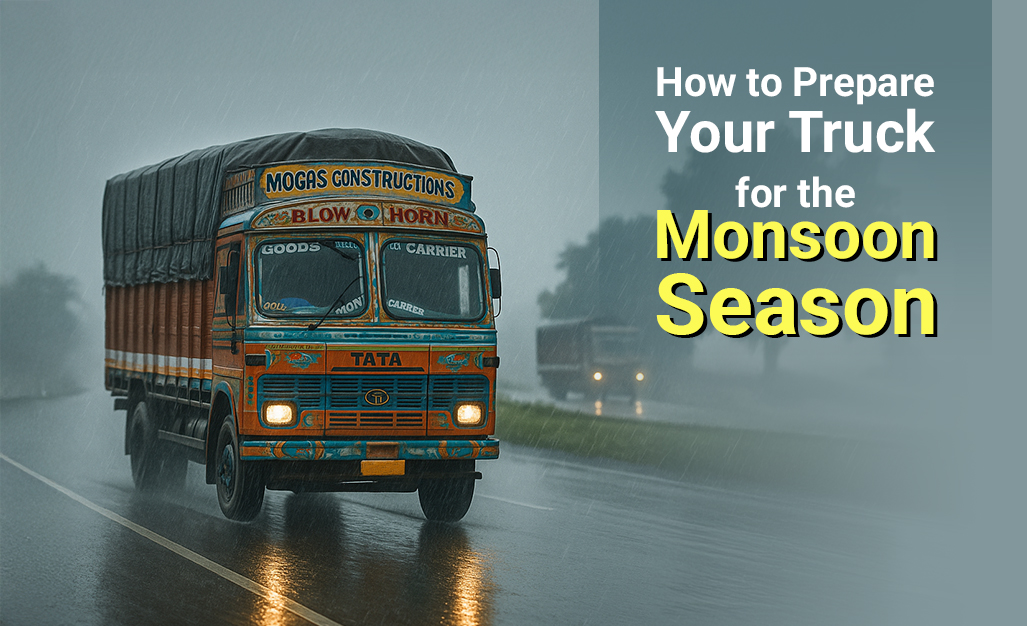
How to Prepare Your Truck for the Monsoon Season?
Read More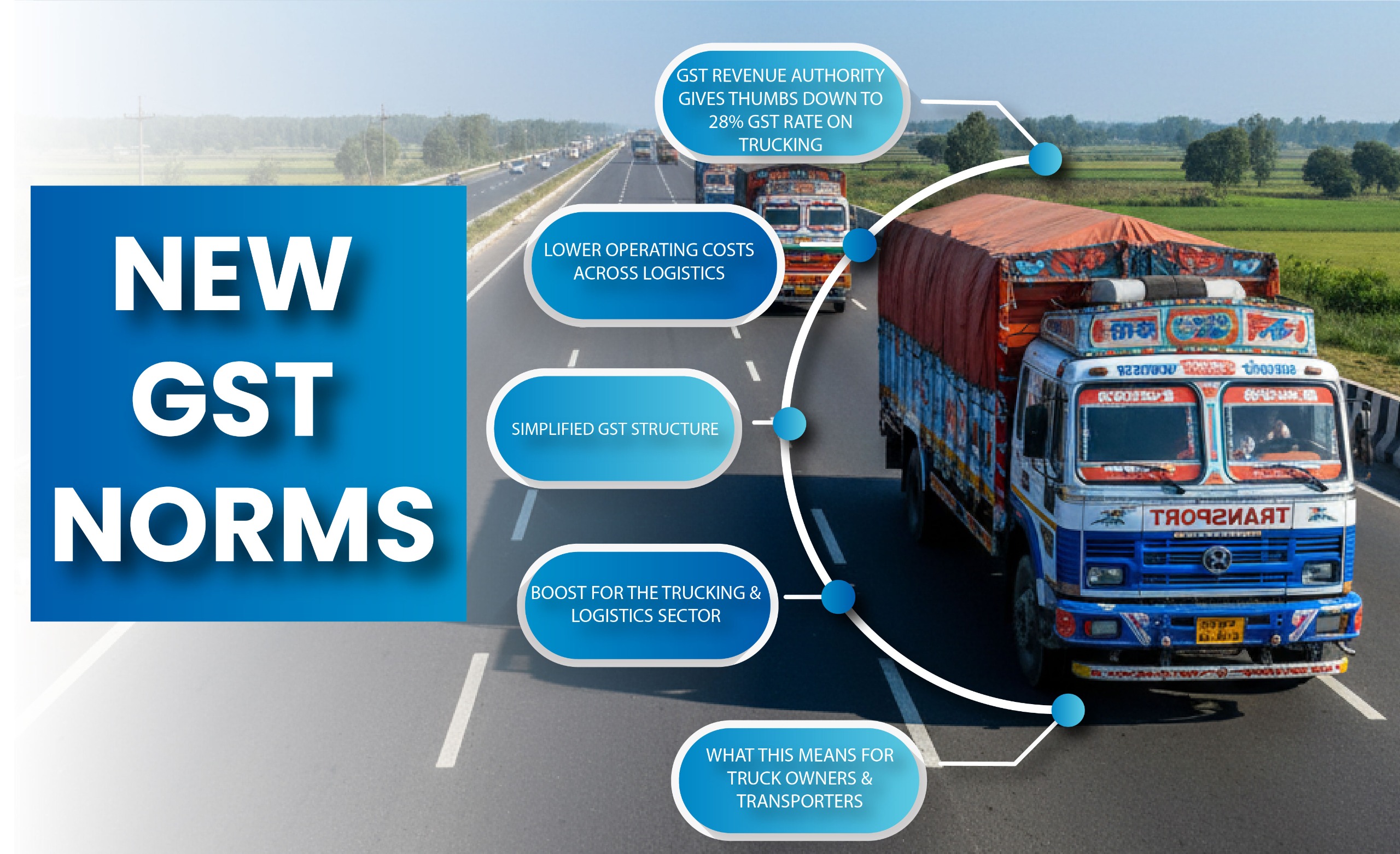
GST Reforms 2025
Read More
10 Smart Fuel-Saving Tips for Everyday Trucking
Read More
Why Preventive Maintenance Saves Money
Read More
Driving Tips for Highway Safety
Read More
Common Truck Maintenance Mistakes
Read More
Importance Of Good Sleep
Read More
LNG Trucks and LNG Stations in India
Read More
Driving a Greener Future
Read More
Future Projections of Driving Training Schools in India’s Growing Trucking Industry
Read More
Impact of AI on the Trucking Industry
Read More
India’s Growing Truck Driver Shortage
Read More
Practical Tips to Maintain Comfort Inside the Truck Cabin
Read More
Managing Stress During Traffic and Route Delays
Read More
Typical End-of-Day Practices After Completing a Driving Shift
Read More
Common Causes of Tiredness During Long Driving Hours
Read More
A New Chapter in India’s Transport and Logistics Story
Read More
Impact of AI on Career Growth of Truck Drivers
Read More
Early Signs of Fatigue Drivers Commonly Experience on the Road
Read More
Common Learnings for First-Time Truck Owners
Read More
Why Verified Truck Driver Hiring is Important for Fleet Owners
Read More
The Future of Digital Trucking Ecosystems in India
Read More
Essential Skills Every Modern Truck Driver Should Learn
Read More
Top Reasons Transporters Should Digitize Driver Recruitment
Read More
How Digital Platforms are Reducing Dependence on Trucking Brokers
Read More
How to Hire Reliable Truck Drivers for Your Fleet
Read More
Why India Needs a Unified Trucking Ecosystem Platform
Read More
How to Build Trust Between Transporters and Truck Drivers
Read More
How Driver Lifecycle Management Reduces Operational Burden for Fleet Companies
Read More
Why Corporate Fleets Need Managed Driver Staffing Solutions
Read More